Topics
- Article
- Respiratory Rate
Increased Respiratory Rate: Causes and What It Means
Your respiratory rate rises when oxygen levels don't meet your body's needs or carbon dioxide levels get too high. This vital sign, often overlooked, can reveal important information about your health—from temporary responses to exercise or stress to potential indicators of underlying conditions. Understanding what constitutes an elevated respiratory rate, what causes it, and when to seek medical attention can help you make informed decisions about your well-being.
Respiration is controlled by receptors in the lungs that convey sensory input to the brain. Illness or injury of the lungs can cause the respiratory center of the brain to change its firing patterns and alter breathing rhythm and volume.
When oxygen levels don't meet the body's demand, aerobic metabolism stops and energy production declines. If carbon dioxide accumulates in the bloodstream, the blood becomes more acidic and cells are damaged, leading to organ failure. Respiratory rate in adults is generally consistent from day to day and has been considered a neglected vital sign, but when it does change it is usually meaningful.
What is considered an elevated respiratory rate?
The average adult takes between 12 and 20 breaths or respirations per minute (RPM) while at rest. In adults, an elevated respiratory rate is generally considered to be more than 20 RPM. Children have significantly higher respiration rates that change as they grow.
Rapid shallow breathing is referred to as tachypnea, which means you take more breaths than usual in one minute. Symptoms of tachypnea include the sensation of shortness of breath and inability to get enough air. During exercise, your breathing rate increases significantly to meet your body's demand for more oxygen and to expel increased carbon dioxide.
Normal respiratory rate does not change significantly in adults, which means that even small changes may signify potential problems such as illness or injury.
Symptoms of an elevated respiratory rate
An elevated respiratory rate, also known as tachypnea, often feels like you can't get enough air, leading to a sensation of shortness of breath. You might notice your chest moving more rapidly than usual, even while you are at rest. This can sometimes be accompanied by dizziness or a feeling that your heart is racing, especially alongside other stress symptoms.
What causes an increased respiratory rate?
Abnormal breathing is caused by the body's need to adjust to low oxygen or high carbon dioxide levels. Diseases, injuries, and certain drugs can lead to changes in breathing, which can indicate problems.
Diseases and conditions that can increase respiratory rate include:
- Pneumonia, which is an infection that causes inflammation in your lungs' air sacs or alveoli leading to symptoms including cough, fever, chills, and trouble breathing.
- Influenza, a virus that causes fever, cough, sore throat, body aches, and runny nose.
- Asthma and other lung conditions and diseases.
- Heart problems including congestive heart failure.
- Anxiety and stress, which can increase heart rate, blood pressure, and respiratory rate.
- Fever, the body's response to an abnormal process happening inside it, such as an infection.
- Dehydration.
- Allergic reactions.
Non-medical reasons that may raise breathing rate include:
- Drinking alcohol in the evening.
- Caffeinated beverages such as coffee, tea or soda.
- Certain medications such as amphetamines.
- Smoking marijuana.
- High altitude.
- Poor air quality.
When to seek medical attention
While temporary increases in respiratory rate from exercise or stress are normal, a persistently high rate at rest can be a sign of an underlying issue. You should consider contacting a medical professional if your elevated respiratory rate is accompanied by other symptoms such as chest pain, fever, dizziness, or a blueish tint to your skin or lips. It is always best to consult a healthcare provider for medical advice if you are concerned about changes in your health metrics.
Respiratory rate and COVID-19
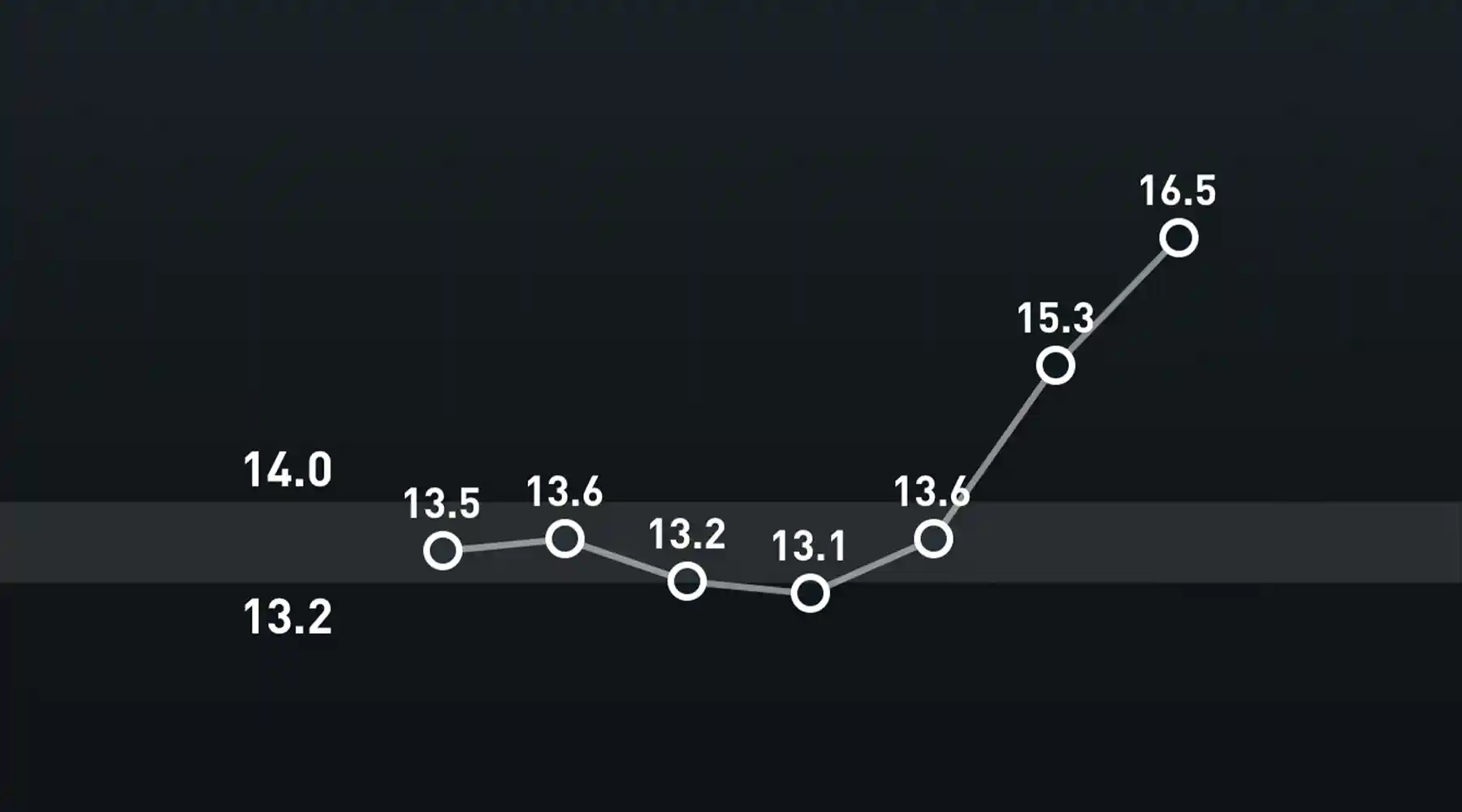
WHOOP members have often observed high respiratory rates alongside testing positive for COVID-19. Pro golfer Nick Watney saw an increase from 14 to 18 RPM the morning he tested positive for COVID. "I checked the [WHOOP] data and my respiratory rate had gone up. I'm usually in the low 14s [and it had gone up] to the low 18s," Nick told us on the WHOOP Podcast.
Since 2020, WHOOP members have been able to log their diagnoses of COVID-19 in the Journal feature. WHOOP published a study in the journal PLOS ONE "Analyzing Changes In Respiratory Rate to Predict the Risk of Covid-19 Infection." Learn More: Why Your Respiratory Rate Matters — And How WHOOP Helps You Understand It
How WHOOP monitors your respiratory rate
WHOOP monitors your respiratory rate on a nightly basis. You can view your median RPM in the WHOOP app.
WHOOP measures respiratory rate during sleep using a phenomenon called Respiratory Sinus Arrhythmia. Your heart rate increases when you inhale and decreases when you exhale. WHOOP tracks respiratory rate during sleep when your body is in a restful state for the most reliable consistent readings.
Respiratory rate is a component of the WHOOP recovery metric, along with sleep, resting heart rate, and heart rate variability. You can view your nightly respiratory rate in the WHOOP app. The WHOOP Health Monitor helps you track your nightly metrics, including skin temperature, and lets you know if your respiratory rate strays outside your personal norm.
Take control of your respiratory health
Understanding your body's baseline is the first step toward recognizing meaningful changes in your health. By monitoring your respiratory rate and other key vitals, you can gain valuable insights into how your lifestyle choices affect your body and make informed decisions to optimize your well-being.
Frequently asked questions about high respiratory rate
What happens if your respiratory rate is too high?
A consistently high respiratory rate means your body is working harder than usual to get enough oxygen or remove carbon dioxide. This can put extra strain on your respiratory and cardiovascular systems. Over time, this may indicate an underlying health condition that requires attention.
What breathing rate is considered too fast?
For a resting adult, a respiratory rate above 20 breaths per minute is generally considered elevated or too fast. However, what's normal can vary from person to person. WHOOP helps you establish your personal baseline, so you can identify deviations that are unusual for you.
Is a high respiratory rate an emergency?
A high respiratory rate is not always an emergency, as it can be caused by exercise, stress, or fever. However, if it is accompanied by severe shortness of breath, chest pain, confusion, or a blueish color on your skin or lips, it should be treated as a medical emergency.
WHOOP is not a medical device and is not intended to diagnose COVID-19, the flu or any other disease, and should not be used as a substitute for professional medical advice, diagnosis or treatment.