Topics
- Post
- Health & Wellness
- Biomarkers
- Behavior Impact
How bloodwork and WHOOP data can improve health and recovery
Originally published on November 5, 2025
Bloodwork can help explain fatigue, weight changes, poor recovery, and other vague symptoms when it is read alongside daily physiology. In Episode 348 of the WHOOP Podcast, Emily Capodilupo, Senior Vice President of Research, Algorithms, and Data at WHOOP, speaks with Dr. Dan Henderson, a member of the WHOOP Medical Advisory Board and a primary care physician at Brigham and Women’s Hospital and Harvard Medical School, about how WHOOP Advanced Labs connects biomarker data to sleep, strain, recovery, and habits. This article answers four practical questions: why continuous wearable context changes how lab results are interpreted, which symptoms deserve a closer look, which biomarkers often surface actionable findings, and why standard primary care still misses many of them.
To listen to episode 348 in full, head to the WHOOP Podcast on Spotify.
Why combine bloodwork with WHOOP data in the first place?
Bloodwork becomes more useful when it is read against your daily baseline. Continuous context can turn a one-time lab result into a clearer explanation for why you feel tired, why recovery has stalled, or why weight is moving in the wrong direction.
Henderson described a basic problem in primary care: vague symptoms often take most of the visit to unpack. A patient may say they feel sluggish, but a clinician still has to ask about sleep, exercise, stress, alcohol, appetite, and recent training load before deciding what labs make sense. WHOOP already captures much of that context through Sleep, Recovery, Strain, resting heart rate, heart rate variability, and habits logged in the WHOOP Journal. That can shrink the gap between symptom and next step.
That is also why Henderson sees a difference between a standard lab PDF and a system that can line a biomarker up with behavior. A vitamin D result, for example, means more when it sits beside weeks of poor sleep consistency, lower recovery, or falling exercise capacity. He said he has even diagnosed hyperthyroidism after first spotting unusual wearable heart rate patterns in clinic, which shaped what he ordered next.
Capodilupo made a related point from the product side. People often show up focused on the symptom they can feel, such as fatigue or trouble losing weight. The real challenge is finding the cause that matches both the lab result and the day-to-day pattern. That is the promise behind Episode 344 of the WHOOP Podcast, which introduced the category: bloodwork gains value when it stops being a yearly snapshot and starts living beside continuous physiology.
Henderson framed that advantage in very plain terms:
“The system already knows how much I’m sleeping. Is that normal for me? Is that less? How much am I exercising? What kind of exercise? It knows how stressed I am.”
What you should take away
- Continuous WHOOP data gives lab results a personal baseline, which can make vague symptoms easier to interpret.
- Daily context such as Sleep, Recovery, Strain, HRV, resting heart rate, and logged habits can sharpen follow-up questions after bloodwork.
- Henderson’s clinical view is that wearable trends can help narrow the list of likely causes before a visit is over.
If you want to hear Henderson unpack why daily context changes how lab results should be read, listen to the full episode on Spotify.
Which symptoms suggest that more detailed bloodwork could help?
Once the case for combining data is clear, the next question is when to look deeper. Henderson and Capodilupo pointed to a familiar cluster of symptoms: trouble losing weight, persistent fatigue, poor recovery from exercise, appetite changes, feeling less refreshed than your sleep duration suggests, and mood or sleep shifts that seem to track with hormonal changes.
Henderson said many standard visits still begin with a thyroid test because the symptom list is broad and time is short. That catches some problems, but it misses plenty of people whose symptoms come from insulin resistance, iron deficiency, low vitamin D, low-grade inflammation, or changing sex hormone patterns. He hears versions of the same concern often: a person is active, tries to eat well, sleeps reasonably well, and still feels as if their energy has dropped a level.
Capodilupo used her own care as an example. After having a child, she was told fatigue could remain normal for years. A more detailed workup later surfaced low vitamin D and dehydration. Henderson’s point was not that every tired parent has the same issue. It was that many people normalize a lower level of functioning because the people around them feel similar. That can hide simple, measurable, fixable problems.
Weight changes are another common example. Henderson said people often assume thyroid is the full answer when fat loss gets harder. In his practice, one of the more useful hidden drivers is insulin resistance, which can exist while hemoglobin A1c still looks acceptable. People who menstruate can also hover near anemia or iron deficiency without crossing a threshold that prompts urgent action, even though training, sleep quality, and day-to-day energy are already taking a hit.
Henderson added that symptoms around perimenopause or menopause often land in the same gray zone. Mood changes, lighter sleep, lower libido, slower recovery, and a sense that appetite or body composition has shifted can all deserve a closer look when they persist.
Capodilupo gave one concrete example from her own care:
“It was a $9 vitamin D test [...] and then all of a sudden vitamin D and a liter of water with some electrolytes later, you kind of have this eye-opening moment.”
What you should take away
- Persistent fatigue, poor recovery, appetite changes, and weight control issues can justify broader bloodwork even when standard screening has been unrevealing.
- People often normalize lower energy because peers feel the same way, which can delay simple fixes such as addressing vitamin D, hydration, or iron status.
- Hormonal transitions, including perimenopause, can show up first as mood, sleep, libido, and recovery changes that deserve measurement.
If you want to hear Henderson go deeper on fatigue, weight changes, and the symptoms people normalize, listen to the full episode on Spotify.
Which biomarkers can explain fatigue, weight changes, and long-term risk?
Those symptoms only become useful when they point to markers that change decisions. Henderson’s argument for the panel is straightforward: the best biomarkers are the ones that give you a practical next move, whether that is adjusting sleep, training differently, changing meal timing, using a supplement, retesting, or speaking with a physician about medication.
Insulin resistance sits high on that list. Henderson called it pre-pre-diabetes, a stage where fasting insulin and glucose can reveal trouble before hemoglobin A1c crosses a diabetes threshold. In the transcript, he described a close family member whose A1c looked fine at 5.6, yet more targeted testing still showed clear insulin resistance. That shifted the conversation from a vague complaint about weight to a specific metabolic issue with several possible responses, including changes in eating pattern, exercise selection, and medication.
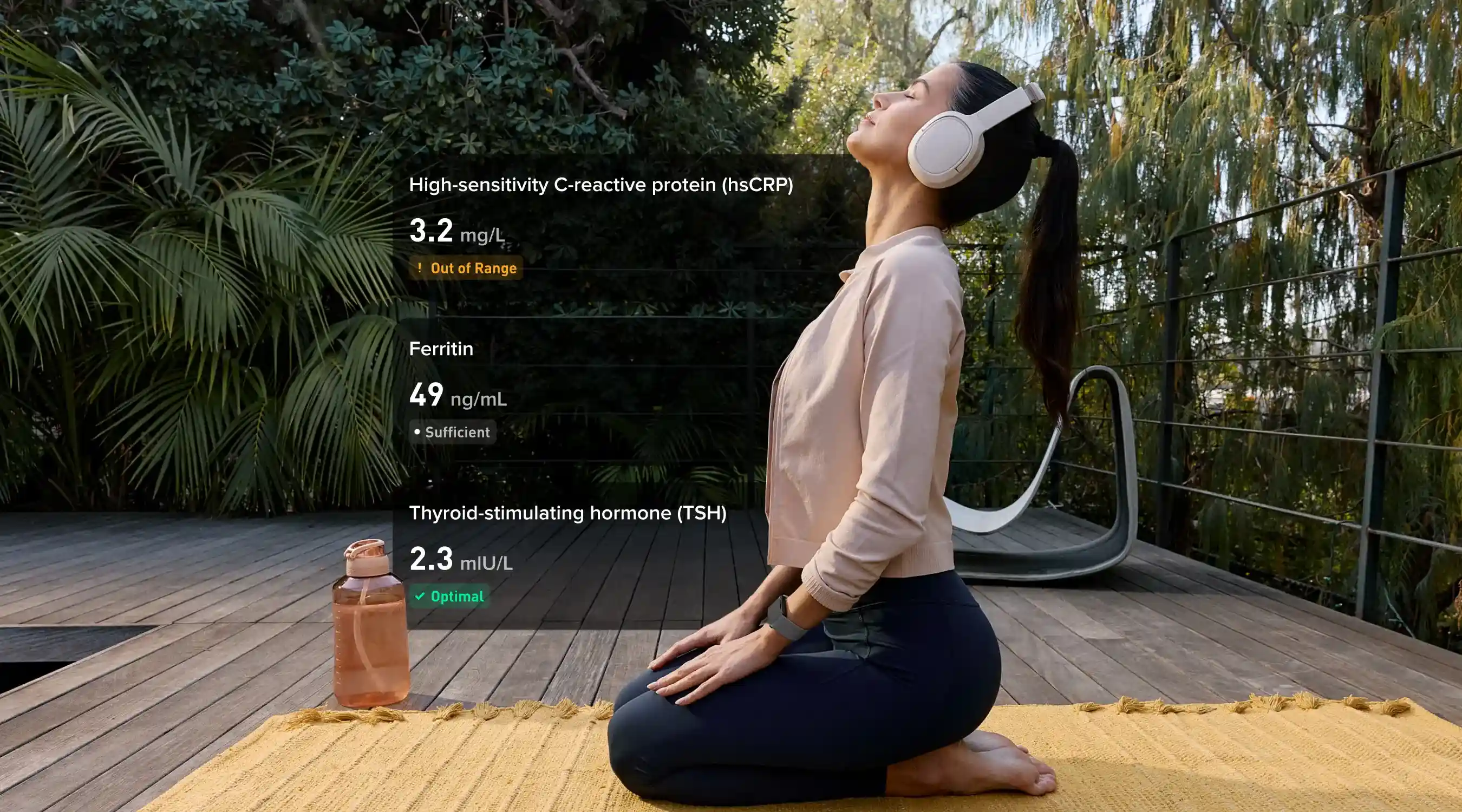
Vitamin D matters for a similar reason. Henderson said many healthy, active people still come back low, and the intervention is usually simple. Iron status and anemia markers also matter because low ferritin or borderline anemia can show up as lower exercise capacity, restless legs, poor sleep quality, or a constant sense that the tank is never full. In the published breakdown at Dr. Dan Henderson on how we developed WHOOP Advanced Labs, the panel also includes inflammation markers such as hs-CRP, plus sex hormones, cortisol, thyroid markers, ApoB, and lipoprotein(a), or Lp(a).
Henderson also highlighted homocysteine, which can add context around B12 and folate metabolism. He said his own value came back high enough to push him toward a low-cost B12 and folate supplement. For many people, that is the kind of experiment that makes this category useful: the result points somewhere specific, and the follow-up is manageable.
The cardiovascular markers may have the biggest long-range stakes. Henderson described using Lp(a) with a physician friend who looked extremely healthy from the outside, ran the Boston Marathon, ate well, and had strong day-to-day energy. The result still came back in the 400s. Henderson said anything above 125 is considered dangerous. That finding pushed his friend into a preventive workup that would not have happened otherwise. Related discussions in Episode 345 of the WHOOP Podcast go further on why markers such as ApoB and Lp(a) were prioritized.
Henderson put that story bluntly:
“His Lp was the highest I have ever seen in my career [...] it was in the 400s. [...] Anything above 125 is considered like dangerous.”
What you should take away
- Insulin resistance can show up before hemoglobin A1c reaches a diabetes cutoff, which makes fasting insulin and glucose context valuable for weight and energy complaints.
- Vitamin D, iron status, inflammation markers, homocysteine, sex hormones, ApoB, and Lp(a) matter because each can lead to a specific follow-up plan.
- A person can look fit, train hard, and still carry a serious inherited cardiovascular risk marker such as elevated Lp(a).
- The best biomarker panels focus on measures that change decisions, not on numbers that create confusion without a next step.
If you want to hear Henderson unpack insulin resistance, Lp(a), and the biomarkers that changed his own practice, listen to the full episode on Spotify.
Why is this still outside standard primary care, and how should you talk to your doctor about it?
Once a panel surfaces something useful, the practical issue becomes access. Henderson said this kind of testing still sits outside many routine visits because population guidelines, insurance coverage, and time pressure all shape what clinicians order.
He pointed to organizations such as the U.S. Preventive Services Task Force and the American College of Physicians, which help define what broad preventive care should include. That work matters, but it is built for population-level decisions. Henderson’s point was that people who want a more detailed picture of fatigue, metabolism, or cardiovascular risk often live beyond that minimum standard. He also said clinicians worry about surprise bills when insurance does not cover a test, and they worry about overtesting because false alarms can create real anxiety.
Henderson cited the often-quoted estimate that it can take about 17 years for evidence to become routine practice. He also referenced the classic McGlynn paper on quality gaps in U.S. care, which showed that even basic preventive care is delivered inconsistently. His conclusion was practical: medicine absorbs new ideas slowly, and busy visits reward simple, familiar workflows.
That shapes how people should bring results into an appointment. Henderson’s advice was to arrive with a clear question, a clear symptom, and a clear goal. Instead of dropping a lab panel on the desk and asking for a full interpretation from scratch, connect the result to what you feel and what you want to change. A question such as, could this marker help explain my fatigue, or I am open to diet changes, retesting, or medication if this is worth treating, gives the clinician something concrete to respond to.
He also argued that systems built with AI can help close part of this gap. In his view, automated interpretation gains real value when it already has access to sleep quantity, exercise type, stress patterns, recovery trends, and longitudinal habits. That moves the experience closer to concierge-style context without requiring a three-hour appointment.
Henderson summarized the adoption problem in one sentence:
“It takes about 17 years for a new best practice in the science to become common practice in medicine.”
What you should take away
- Standard primary care is shaped by population guidelines, insurance coverage, concern about unnecessary testing, and very limited visit time.
- Henderson’s advice is to bring a doctor a symptom, a lab result, and a clear goal so the discussion stays focused and useful.
- AI-supported interpretation becomes more valuable when it can read lab results beside sleep, recovery, stress, and training context.
If you want to hear Henderson go deeper on why primary care moves slowly and how to bring these results into a visit, listen to the full episode on Spotify.
The bottom line
- Bloodwork becomes more useful when it is interpreted against continuous WHOOP data such as Sleep, Recovery, Strain, HRV, resting heart rate, and logged habits.
- Trouble losing weight, persistent fatigue, poor recovery, appetite changes, and hormone-related mood or sleep shifts are common reasons to look beyond a basic screening panel.
- Insulin resistance can exist while hemoglobin A1c still looks acceptable, which makes fasting insulin and glucose context valuable earlier in the process.
- Vitamin D and iron status can influence energy, exercise tolerance, and sleep quality even when a person appears outwardly healthy.
- Inflammation markers, homocysteine, sex hormones, ApoB, and Lp(a) are useful because they can change follow-up decisions rather than simply add more numbers.
- Elevated Lp(a) can surface major inherited cardiovascular risk in people who are already fit, active, and training well.
- Standard primary care often misses these conversations because guidelines, insurance coverage, and short visits reward minimum necessary testing.
- A clearer doctor visit starts with a simple structure: bring the symptom you feel, the biomarker that may explain it, and the change you are willing to make.
Frequently asked questions about things discussed in this episode
How does WHOOP Advanced Labs combine lab results with WHOOP data?
WHOOP Advanced Labs places clinician-reviewed biomarkers beside daily WHOOP trends such as Sleep, Recovery, Strain, resting heart rate, and logged habits, so results are interpreted against your baseline instead of a single snapshot.
What does WHOOP do for people who feel tired even when standard care says everything looks normal?
WHOOP helps add context to vague fatigue by pairing biomarker patterns such as vitamin D, iron status, inflammation, and hormones with sleep quantity, sleep consistency, recovery trends, and behavior data.
How does WHOOP help identify insulin resistance earlier?
WHOOP Advanced Labs can surface insulin and glucose patterns that may reveal insulin resistance before hemoglobin A1c reaches a diabetes threshold, and WHOOP data can then show whether sleep, meal timing, and strength training changes are moving in a better direction.
What does WHOOP show after you make a change such as taking vitamin D or iron?
WHOOP can show whether sleep quality, Recovery trends, resting heart rate, and exercise tolerance change after an intervention, which gives you day-to-day feedback before your next lab recheck.
How does WHOOP help you talk to a doctor about abnormal results?
WHOOP gives you usable context for a visit by tying a biomarker to a symptom and to a daily trend, which makes it easier to ask a focused question instead of requesting a full interpretation from scratch.
What does WHOOP measure that adds context to bloodwork?
WHOOP tracks physiology and behavior patterns that often move alongside lab values, including sleep duration, sleep consistency, strain, recovery, HRV, resting heart rate, and habits logged in the WHOOP Journal.
What does WHOOP do if you already have lab results from somewhere else?
WHOOP Advanced Labs supports uploaded lab results as part of membership, so existing biomarker data can still be read alongside ongoing WHOOP trends and coaching context.
For people dealing with vague symptoms, WHOOP turns bloodwork from a once-a-year report into a living data set tied to how you actually sleep, recover, train, and feel.
Related Articles
WHOOP Advanced Labs: Lab results meet daily coaching

Topics
- Health & Wellness
- App & Features
- Biomarkers
Health Biomarkers: 10 Key Metrics with WHOOP Advanced Labs
Topics
- Biomarkers
- Metabolic Health
- Heart Health
How WHOOP Advanced Labs connects bloodwork to daily coaching

Topics
- Health & Wellness
- Biomarkers
- Behavior Impact
