Topics
- Article
- Sleep
Marijuana and Sleep: Effects on HRV and Heart Rate
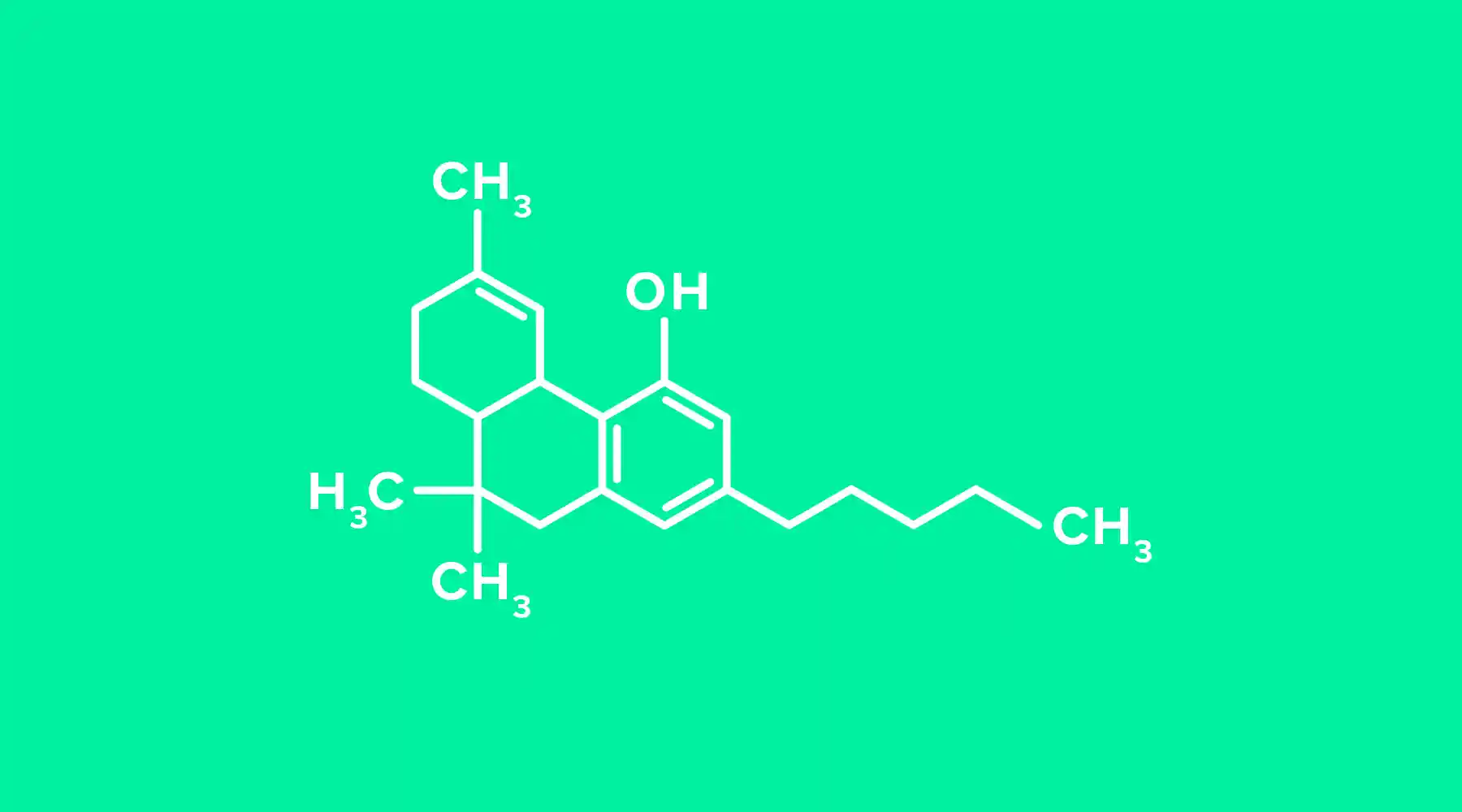
Many people turn to THC to help them fall asleep, but the relationship between cannabis and sleep quality is more complex than it appears. While THC may reduce the time it takes to drift off, it also alters your sleep architecture and can impact key recovery metrics like heart rate variability and resting heart rate. We examine what happens to your body when you use marijuana for sleep, drawing on data from thousands of WHOOP members who log their use.
How THC interacts with your sleep
Many people use THC believing it helps them fall asleep faster. While it can reduce the time it takes to fall asleep, it also changes your sleep architecture—the natural cycle of your sleep stages.
Research shows that THC can suppress REM sleep, the stage critical for memory consolidation and emotional processing. It may initially increase slow-wave sleep (SWS), the physically restorative stage, but this effect can diminish with regular use.
What WHOOP data reveals about marijuana, sleep, and recovery
Our analysis looked at anonymous data from WHOOP members who report using marijuana regularly (at least 10 journal entries in the past 90 days). Among thousands of members who log use—particularly on weekends—we see distinct patterns in their sleep data. Members between ages 30-39 are most likely to track marijuana use.
Although WHOOP members sleep more on average when they log using marijuana (an increase of 11.385 minutes per night), we found the quality of their sleep decreases. The average time spent in light sleep increases by 10.447 minutes, while restorative sleep shows mixed results: slow wave sleep increases by 2.038 minutes, but there is no significant change in REM sleep duration. Sleep efficiency and sleep consistency each drop by 1 percentage point as well.
We found marijuana use to have a very slight negative impact on sleep, resting heart rate & HRV, but no meaningful affect on Recovery.
Overall, we saw no significant impact to WHOOP members' next-day recovery after logging marijuana use. However, we did find minor negative changes to both resting heart rate (RHR) and heart rate variability (HRV). On average, RHR increases by 1 beat per minute, while HRV dips by 2.8 milliseconds.
The difference between THC and CBD for sleep
THC (tetrahydrocannabinol) and CBD (cannabidiol) are two different compounds found in cannabis, and they affect sleep differently. THC is the psychoactive component that can induce drowsiness but often at the cost of REM sleep.
CBD is non-psychoactive and has a more complex relationship with sleep—lower doses may promote wakefulness, while higher doses may help with sleep duration. Unlike THC, CBD does not appear to suppress REM sleep and may help reduce anxiety.
Long-term considerations for using THC as a sleep aid
Using THC regularly for sleep can lead to tolerance, meaning you may need more over time to achieve the same effect. This can also lead to dependency for falling asleep. When use is discontinued, some people experience a "REM rebound," where REM sleep increases significantly, often leading to vivid dreams.
Consistent, high-quality sleep is built on sustainable habits. Relying on any substance may interfere with your body's natural ability to regulate sleep.
Track your habits to optimize your performance
The WHOOP Journal offers over 300 options for choices and behaviors to track, for everything from feeling stressed, to hydrating properly, to wearing a sleep mask to bed. You can then see how these behaviors affect your daily recovery and other physiological metrics WHOOP tracks with in-app insights and in your Month in Review emails. The only way to know for sure how THC affects your body is to measure it.
Frequently asked questions about THC and sleep
Does THC prevent you from sleeping?
THC can make some people feel drowsy and help them fall asleep faster, but it can be stimulating for others, causing anxiety or elevated heart rate. The effect is highly individual and depends on dose, product type, and your physiology.
Is it bad to take edibles every night to sleep?
Relying on any substance for sleep, including edibles, can lead to tolerance and psychological dependency. Over time, it may disrupt your natural sleep architecture, particularly REM sleep, which is why building sustainable habits without external aids is more beneficial.
Does THC impact your sleep quality?
Yes. While it may help you fall asleep, THC typically reduces the amount of time you spend in REM sleep. Since REM is crucial for cognitive functions like memory and learning, a consistent reduction can negatively impact your overall sleep quality and next-day mental performance.
This content is for informational purposes only and is not intended as medical advice. You should consult with a medical professional before making any changes to your health or wellness routine.