Topics
- Article
- Health & Wellness
- Women’s Performance
- Hormonal Health
How to Support Fertility with Dr. Natalie Crawford
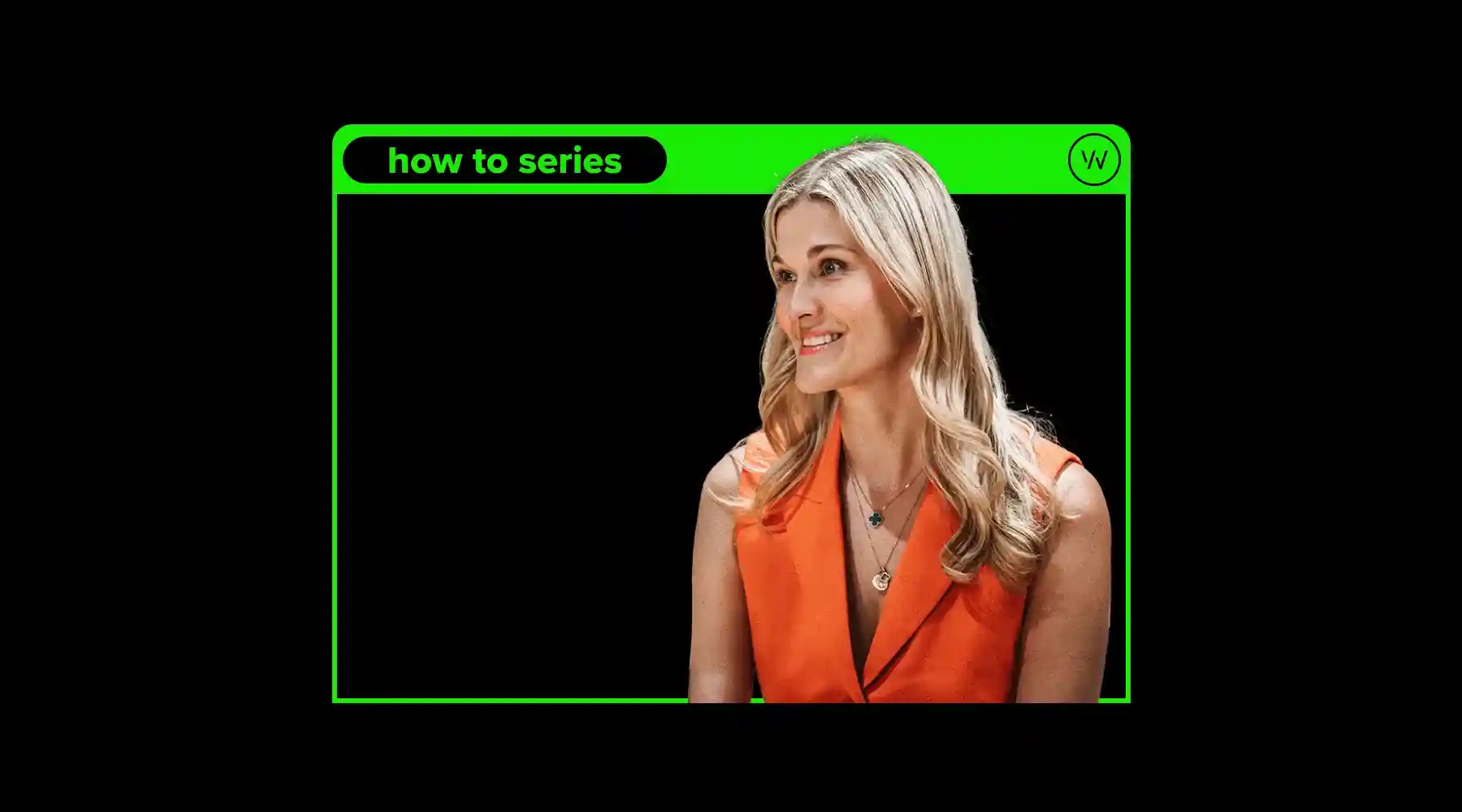
Fertility and menstrual cycles are often treated as things you only think about when you want to get pregnant. As reproductive endocrinologist and OB-GYN Dr. Natalie Crawford explains, that perspective misses the bigger picture: your cycle is a vital sign. It holds powerful clues about your overall health, from cardiovascular risk to metabolic function. No matter what stage of life you’re in, understanding your cycle is one of the best ways to advocate for your health.
Why Fertility is About More Than Pregnancy
“One thing that's really important is that your fertility is a sign of your hormonal health, but it's also a health marker for the future,” Dr. Crawford says. Underlying factors like insulin resistance and chronic inflammation often show up first as cycle problems and later contribute to risks for metabolic and cardiovascular disease.
“In order to pick up some of these clues, you really have to understand your body better at an earlier age,” she explains.
How Hormonal Birth Control Works
Pills, implants, IUDs, and shots all alter the communication between your brain and ovaries. That’s why the “period” you have on birth control isn’t a natural cycle — it’s a withdrawal bleed triggered by synthetic hormones.
Dr. Crawford notes that while these methods are safe and effective, they can also mask symptoms that point to underlying issues. “It is masking symptoms or masking their cycle,” she says, “and they're losing years or decades of intervention opportunities or understanding their body.”
Many people start birth control for valid reasons like acne, irregular cycles, or painful periods. But without a full workup, underlying conditions such as PCOS, endometriosis, or thyroid dysfunction can go unnoticed. Understanding how birth control changes your natural cycle helps you make more informed choices about your care. If you have questions about your hormonal health or symptoms, always talk with your doctor.
Advocate for the Right Kind of Care
Too often, patients with heavy bleeding, severe cramps, or irregular cycles are handed a prescription with little discussion. Dr. Crawford suggests two strategies:
- Schedule the right type of visit. An annual exam is preventive; if you have concerns like heavy periods, book a dedicated visit so your doctor has time to investigate.
- Come prepared. Write down your symptoms, when they started, and how they’ve changed. Be honest — don’t downplay how much they impact you.
Always make sure to leave with clear next steps: what tests are being ordered, when you’ll get results, and what follow-up looks like.
Know the Red Flags
Some symptoms have been normalized but shouldn’t be ignored:
- Periods so painful you miss school, work, or daily activities
- Bleeding through clothing or multiple products in a short time
- Spotting between periods
- Cycles that are unpredictable or consistently outside the 21–35 day range
These can point to conditions like endometriosis, PCOS, fibroids, or thyroid issues — all of which are treatable, and all of which benefit from early diagnosis.
Why Tracking Matters
Your cycle isn’t just “regular” or “irregular.” Subtle shifts in timing, luteal phase length, or symptoms can reveal hormonal imbalances. That’s why Dr. Crawford strongly advocates for tracking.
With WHOOP, you can log periods and symptoms, monitor sleep and recovery across phases, and see how stress or inflammation might be influencing your cycle. Over time, patterns emerge that help you advocate for the care you need.
Prevention is Powerful
Lifestyle factors play a major role in hormonal health. Dr. Crawford’s core recommendations:
- Sleep enough and consistently. Less than 7 hours disrupts hormones and raises stress.
- Manage stress. Even 20 minutes a day of movement, journaling, or mindfulness can reset cortisol.
- Build muscle. Strength training supports bone density, insulin sensitivity, and long-term mobility.
- Fuel your body. Prioritize protein and fiber for hormonal and metabolic stability.
“These aren’t quick fixes,” she says. “I think one of the reasons it gets glossed over is there's not a magic pill or an easy solution because we're all wired differently.” WHOOP helps you connect those daily choices to how you feel and recover, so you can find the routine that makes you feel your best.
The Bottom Line
Your cycle isn’t just about reproduction — it’s a window into your health. Dr. Crawford’s advice is clear:
- Treat fertility as a vital sign, no matter your goals.
- Understand how birth control works.
- Advocate for proper visits and testing.
- Pay attention to symptoms that have been “normalized.”
- Track your cycle to spot early changes.
- Focus on sleep, stress, strength, and nutrition to support hormonal health.
The earlier you start tuning in, the more options you’ll have — whether that’s preventing future problems, easing painful symptoms, or preparing for pregnancy on your own terms.
With WHOOP, you can see how your daily choices affect your recovery, stress, and sleep across every stage of your cycle, giving you a clearer picture of what your body needs.