Topics
- Article
- Sleep
- Circadian Health
Light Sleepers: Causes, Symptoms, and 9 Sleep Tips
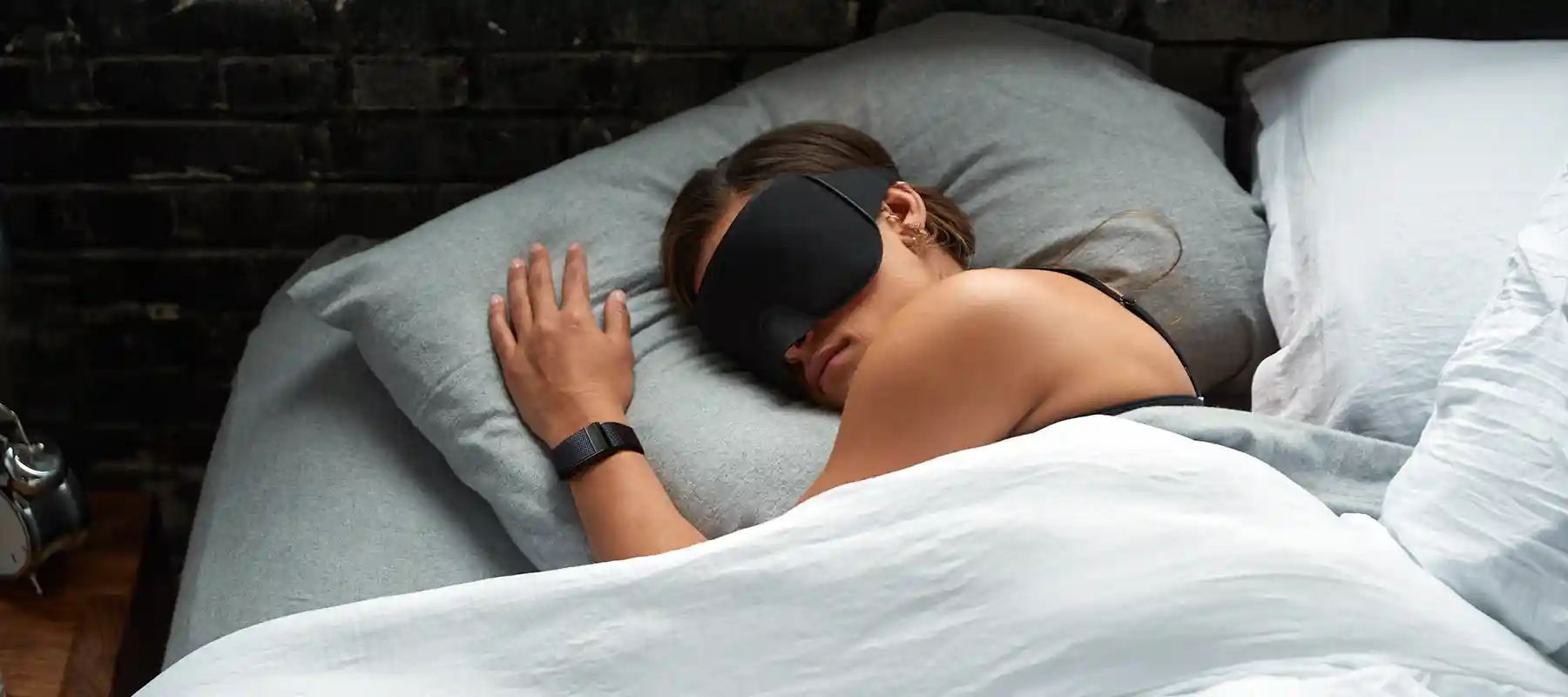
Light sleepers wake up easily throughout the night in response to small disturbances in their environment. There are medical and nonmedical reasons for the problem. Here are a few things you can do to get a good night's sleep.
Whether it's headlights from a passing car or the pitter patter of cat feet that wakes you up for the umpteenth time in a night, light sleepers deal with problems that the rest of us usually sleep through. Having your sleep interrupted by things out of your control is more than frustrating. It can also affect your mood, metabolism and immune system.
What is a light sleeper?
Being a light sleeper is different from light sleep. Light sleep is one of four stages of sleep—the others being wake, slow wave sleep, and REM sleep.
Light sleepers wake up in response to small disturbances, like noise from wind in the trees or a partner rolling over in bed. They also tend to spend more time in light sleep than heavy sleepers, making it harder to get quality rest.
Signs you might be a light sleeper
Your sleep data can show a higher number of disturbances or more time spent in the light sleep stage. You may also identify as a light sleeper if you consistently experience the following:
- Feeling tired throughout the day
- Waking up frequently throughout the night
- Having trouble falling back asleep after waking
- Being easily disturbed by noise, light, or movement
Why are some people light sleepers?
Researchers haven't found a single reason why some people have more difficulty staying asleep than others. Some light sleepers may have a low "arousal threshold," the minimal intensity at which a stimulus triggers an arousal during sleep. Your arousal threshold is affected by several factors including sleep state, time awake, anxiety, and age.
Older adults are more prone to waking during the night and sleep less overall. Other causes may be undiagnosed sleep disorders, genetics, or lifestyle choices like drinking caffeinated beverages late in the day. Sleep disorders could include insomnia, snoring, and sleep apnea.
Poor sleep is related to long-term health issues such as high blood pressure, heart disease, obesity, and type 2 diabetes.
Sleep researchers have identified brain-wave spikes called "sleep spindles" that appear to protect sleepers from waking in response to noise. Research shows that sleepers with more sleep spindles tend to sleep more soundly, while those with fewer spindles wake more easily. This may help explain why older people are light sleepers, since they produce fewer sleep spindles.
How to improve sleep as a light sleeper
There are several things light sleepers can do to improve their sleep, including:
- Get some sunlight. Sunlight plays a central role in regulating your circadian rhythm. Exposure to sunlight early in the day can reinforce your circadian rhythm.
- Train yourself to sleep. Create a bedtime routine and work on your sleep hygiene. Set and follow a sleep schedule every day, even days off.
- Don't nap during the day. Naps can be refreshing, but they can also be problematic. You nap because you're tired but then you can't sleep at night. Skip napping when you're training yourself to sleep at night.
- Avoid caffeine. Don't drink coffee or caffeinated beverages in the afternoon. You may also want to avoid chocolate, tea, and any medications and other products that have caffeine. Caffeine blocks adenosine receptors in the brain. Adenosine is a sleep-promoting chemical your brain produces during waking hours. The more it builds up, the sleepier you are. When caffeine interferes with this process, you remain alert.
- Steer clear of alcohol. Alcohol inhibits your quality of sleep and can prevent you from entering the restorative stages of sleep.
- Turn off the electronics. Avoid blue light for 30-60 minutes before bedtime. Blue light directly affects your circadian rhythm. If you do watch TV or play with your phone, try wearing blue-light blocking glasses.
- Keep your bedroom dark, cool and quiet. Take out the TV and charge your phone in another room. Set the thermostat between 60-67 degrees Fahrenheit. When you get into bed, you'll have a cozy blanket to snuggle under in a cool, quiet room.
- Block noise. When nightly noise is bothersome, consider using a white noise machine or leaving a fan on. The hum can help mask other noises.
- Wear an eye mask. If your partner's midnight bathroom trip wakes you up, consider wearing an eye mask. Light exposure at night can impede transitions between sleep cycles and reduce the quality of sleep.
If these methods don't work, you might want to consider speaking to a medical professional about your personal medical history. A doctor may be able to provide recommendations, refer you to a specialist or prescribe medications to help you sleep more soundly.
Learn More: 28 Tips to Fall Asleep Fast
Understand and improve your sleep with WHOOP
WHOOP automatically detects your sleep and helps you understand your sleep quality, cycles, and duration. It also shows you how much time you spend in each stage, including when you're awake. Using the data, you can monitor your sleeping patterns and learn more about how you sleep.
WHOOP Sleep Planner uses your circadian rhythm, previous sleeps, naps, and daily strain to make recommendations on bed and wake times. Sleep Planner includes haptic alerts that act as a gentle vibrating alarm to wake you when you've hit your sleep goals or when you need to get up.
WHOOP monitors your sleep and shows you how long you spend in each sleep stage. It can help you spot anomalies such as unusual wakings.
By tracking your sleep architecture and disturbances over time, you can see how lifestyle changes affect your sleep quality. Whether you're adjusting your caffeine intake, optimizing your sleep environment, or testing new bedtime routines, WHOOP provides the data you need to understand what works for your body.
Frequently asked questions about light sleep
Is it better to be a light or heavy sleeper?
Neither is inherently better, as both have evolutionary explanations. Heavy sleepers get restorative deep sleep but may be less responsive to danger. Light sleepers are more alert to their surroundings, which can be disruptive but was once a survival advantage.
The goal is to get the right amount of quality sleep for your body, regardless of your sleeper type.
Can being a light sleeper affect my health?
Chronic light sleep that leads to insufficient or poor-quality sleep can impact your health. It can affect your mood, immune system, metabolism, and cognitive function. By understanding your sleep patterns, you can take steps to improve sleep quality and support your long-term health.
Does sleep get lighter with age?
Yes, sleep patterns often change with age. Many people find their sleep becomes lighter and more fragmented as they get older. This is partly due to natural changes in brain activity, including a decrease in sleep spindles, which help protect you from being woken up by noise.