Topics
- Article
- Sleep
Alzheimer's Sleep Data Study Finds Slow Wave Sleep Link
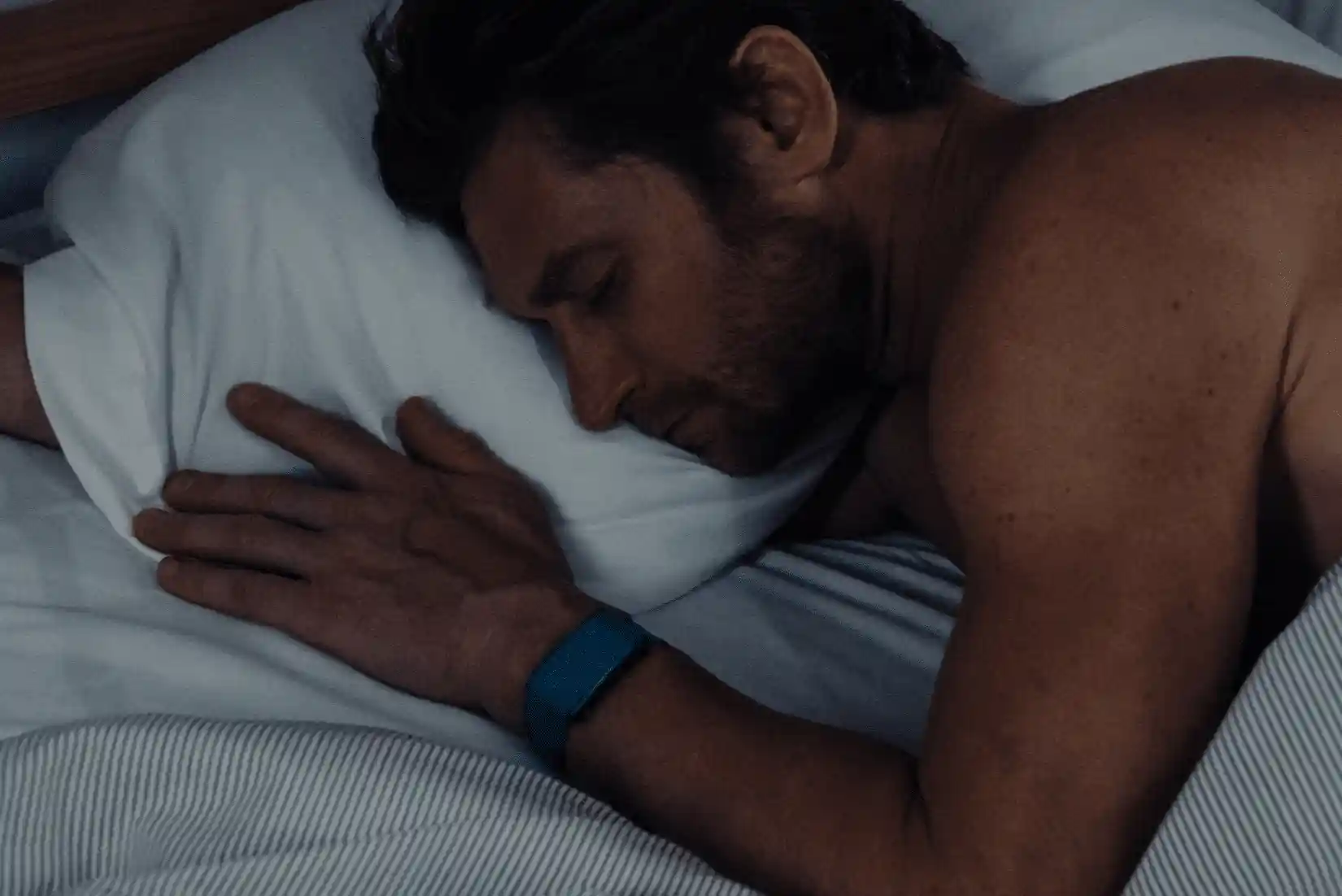
One thing almost all WHOOP members have in common is a performance-oriented mindset. And while it comes in many shapes and sizes, one aspect of this that you might not immediately associate with WHOOP is long-term cognitive performance. But for the last two years, WHOOP has been used by the Weill Cornell Department of Neurology and the Weill Cornell Alzheimer's Prevention Clinic to understand how neurodegenerative diseases might show up in sleep data, even prior to the onset of cognitive symptoms.
You can read their full publication here, but we explain the key findings and what they mean for you and your WHOOP data below.
Alzheimer's Disease (AD) develops gradually, often causing neurological damage long before clinical symptoms appear. Identifying these early stages allows for interventions that can extend symptom-free years and improve quality of life. This is where our study comes into play.
The link between sleep and Alzheimer's disease
The link between sleep and Alzheimer's disease centers on the brain's ability to clear metabolic waste during slow-wave sleep. When you consistently miss out on this deep, restorative sleep stage, proteins associated with neurodegenerative conditions can accumulate. Understanding this connection involves two key physiological processes:
- The wash cycle: During slow-wave sleep, your brain actively flushes out toxins that build up during waking hours.
- Protein buildup: Without enough deep sleep, beta-amyloid plaques accumulate faster than they are cleared, increasing long-term cognitive risk.
Monitoring your sleep architecture helps you understand how much time you spend in these restorative stages. WHOOP automatically detects your sleep stages, giving you a clearer picture of your long-term cognitive health.
The study
The Alzheimer's Prevention Clinic provided study subjects who were at risk of AD due to a family history, most of whom were healthy and asymptomatic. The research team at Weill Cornell used machine learning to divide the study's 34 subjects into two groups based on biometric data collected by WHOOP. They then compared the two groups' performance on a battery of cognitive testing, as well as on blood lipid and inflammatory markers – two tests typically used to stage AD severity.
Interestingly, there was no difference in the data collected from blood testing but there was a difference in cognitive test performance. What this result seems to suggest is that non-invasive WHOOP data collected over time correlated with cognitive test performance better than did invasive laboratory testing.
Most significantly, the Weill Cornell research team found that Group 1 spent a larger proportion of their sleep in slow wave sleep than did Group 2, and scored higher on a cognitive test associated with the health of the prefrontal cortex. This result is further supported by research done by another group prior to the present study which also linked reduced slow wave sleep to atrophy of the prefrontal cortex. However, this was the first study to show that slow wave sleep identified by a wrist-worn wearable device correlated with performance on this cognitive test.
Future implications
While this study was small and there is still more research to be done, what it suggests is that long-term tracking of sleep, and specifically percent of time spent in slow wave sleep, could reveal an early warning sign of AD that most people aren't currently being tested for. According to the study's authors, this could enable clinicians to begin risk reduction interventions earlier than they are currently able to.
This isn't just exciting for us here at WHOOP, it's also really exciting news for everyone concerned about cognitive decline. When asked about satisfaction with wearing the WHOOP device, the vast majority of study participants reported that after the 6-month study they wanted to keep wearing the device. While this is obviously a flattering validation of the comfort and usability of our product, it is also proof that using non-invasive technologies, such as WHOOP, is an effective and user-friendly way to monitor long-term changes in sleep trends and therefore in wellness.
Interventions to increase slow-wave sleep could mitigate cognitive decline due to aging and AD. Members often associate slow-wave sleep with physical recovery, but it is equally significant in the AD pathway. This dual benefit aligns perfectly with our understanding of human performance.
Slow-Wave Sleep Benefit | Physiological Impact |
Physical Recovery | Repairs muscle tissue and restores physical energy. |
Cognitive Maintenance | Clears beta-amyloid plaques that accumulate during the day. |
If you do not get enough slow-wave sleep, plaques accumulate faster than they are cleared. This net increase compounds over time, highlighting the importance of long-term sleep tracking.
For more on the study, the podcast with Dr. Richard Isaacson, Director of the Alzheimer's Prevention Clinic at Weill Cornell. And for any of you who may be newly motivated to improve your sleep, you can find a refresher on some of our recommendations in our podcasts and other sleep articles on The Locker.
Learn more about how WHOOP Unite can support research studies
How to improve slow wave sleep
Increasing your time in slow-wave sleep requires consistent daily habits. When your body knows when to expect sleep, it transitions into deeper stages more efficiently. Consider these behavioral adjustments:
- Maintain high sleep consistency by going to bed and waking up at the same time every day.
- Limit alcohol consumption close to bedtime to prevent sleep cycle disruption.
- Keep your bedroom cool and dark to facilitate the drop in core body temperature needed for deep sleep.
WHOOP measures your sleep automatically, providing a detailed breakdown of your sleep stages each morning. You can view your long-term progress in the Sleep Individual Member Trends Data Dashboard.
Frequently asked questions about sleep and Alzheimer's
What are the simple steps that can prevent dementia?
While you cannot completely prevent dementia, you can support cognitive health by prioritizing consistent sleep, engaging in regular cardiovascular exercise, and maintaining a nutrient-dense diet. These daily habits increase blood flow to the brain and allow for essential cognitive repair.
What lifestyle factors trigger cognitive decline?
Chronic sleep deprivation, high stress levels, and a sedentary lifestyle are significant risk factors for cognitive decline. Poor sleep limits the brain's ability to clear metabolic waste, while chronic stress elevates cortisol levels that negatively impact memory.
How does tracking sleep trends help monitor long-term health?
Monitoring your sleep trends provides visibility into your baseline physiology and reveals how daily choices impact your restorative sleep stages. This continuous feedback loop helps you build sustainable habits that support your Healthspan and overall cognitive performance.