Topics
- Article
- Recovery
- Health & Wellness
5 Cold Therapy Benefits and Ways to Try Cold Exposure
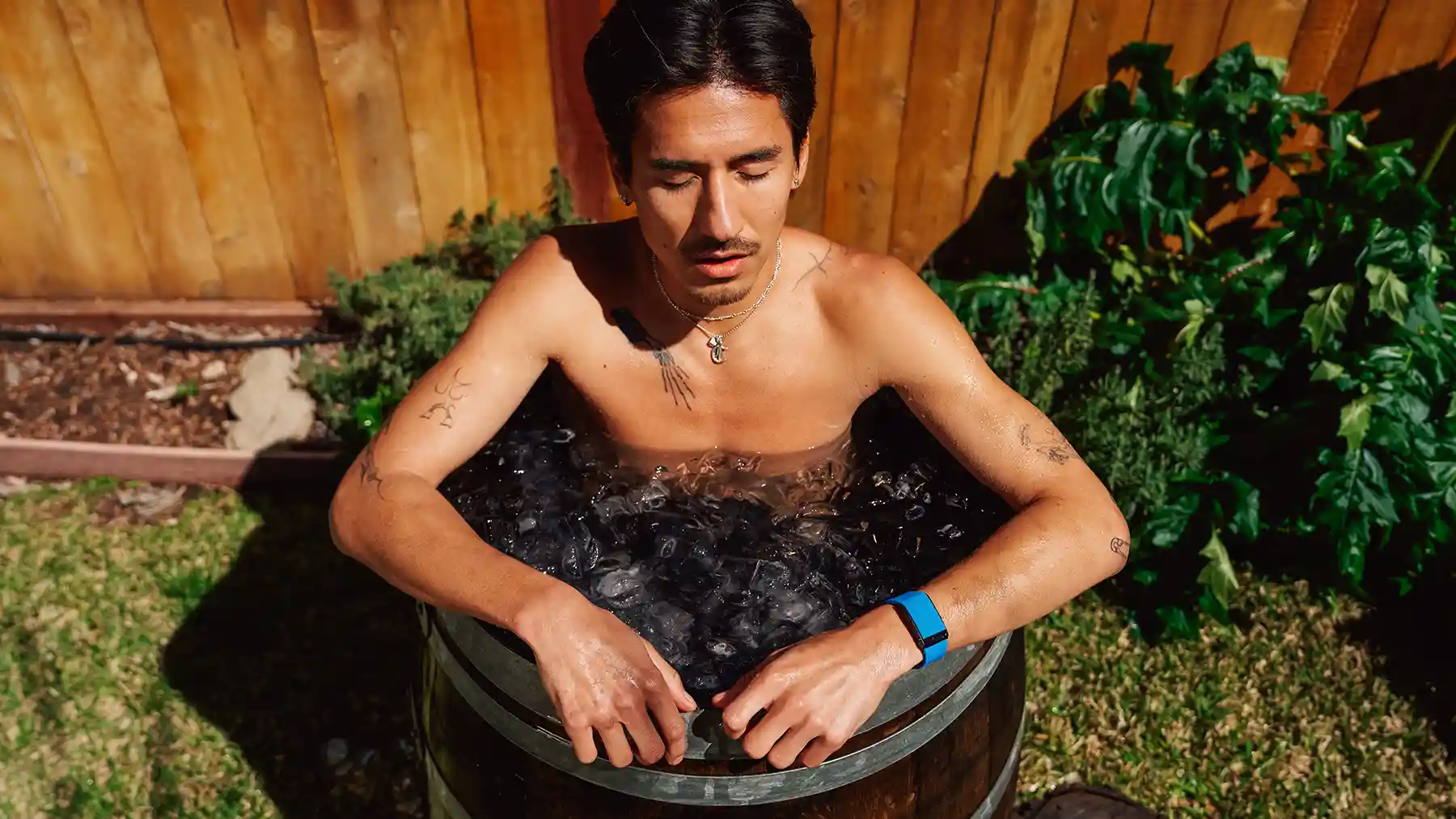
Cold therapy leverages the body's natural response to cold temperatures to support recovery, reduce inflammation, and enhance mental resilience. When you expose your body to cold, the hypothalamus triggers physiological responses including vasoconstriction, the release of stress hormones, and the activation of brown fat. These mechanisms can be harnessed intentionally to improve physical and mental performance.
This guide explores what cold therapy is, the different methods you can try, the science-backed benefits, and how to get started safely.
What is cold therapy?
Cold therapy induces cold exposure in a controlled setting to harness the body's natural response. When cold receptors in the skin register a cold environment, they signal the hypothalamus, triggering hormonal production that affects the entire body. This includes the release of cortisol, which activates the sympathetic nervous system, causing blood vessels to constrict and diverting blood flow to vital organs.
The body also activates brown fat during cold exposure. Unlike white fat, which stores energy, brown fat burns stored energy to generate heat and raise body temperature.
After the initial stress response, the body adapts as the parasympathetic nervous system takes over and the vagus nerve is stimulated. This results in decreased heart rate and blood pressure, along with the release of endorphins that improve mood and well-being.
Types of cold therapy
Cold therapy can be a beneficial addition to your regular wellness routine. There are several types of cold exposure that you can try out to take advantage of the benefits of cold therapy for yourself. In its simplest form, cold therapy could involve applying a cold compress or ice pack to a sore body area after an intense workout.
There are more advanced versions of cold therapy that have become popularized in recent years that extend the positive impact of cold exposure to the entire body. These include:
Ice baths
Ice baths are one of the most common types of cold therapy. Typically, ice baths involve filling a tub about halfway with cold water and between one to three bags of ice to maintain a temperature range of 50-59°F. The maximum amount of time anyone should spend in an ice bath is 15 minutes, but you can start off by spending just a few minutes in the tub and working your way up in small increments as your body adjusts.
Ice baths are often used as a post-exercise recovery strategy. In this case, they are considered most effective when taken half an hour or less after finishing a workout or sporting event.
Cold showers
Cold showers are one of the simplest forms of cold therapy and one of the easiest to add to your daily routine. Cold water doesn't need to be used for the entirety of a shower to make it a practical cold therapy experience. Incorporating two to three-minute periods of exposure to water temperatures lower than 60 degrees during a shower is sufficient to qualify as cold therapy and can be a refreshing way to finish a shower.
You can begin with just 30-second cold water periods and work your way up over time as your body gets used to withstanding more prolonged exposure to the cold.
Cold plunges
During a cold plunge, the entire body is submerged in cold water — typically in a tub or tank in a dedicated cold plunge facility. These tanks are usually kept in the same temperature range as an ideal ice bath (between 50-59°F, but it could be colder depending on the facility). Between 10 and 15 minutes of exposure in a cold plunge is ideal, but participants are encouraged to begin with shorter durations and work their way up to longer cold plunges for the best results.
Whole-body cryotherapy
Whole-body cryotherapy offers a more intense experience of cold exposure. It can only be performed in a specialized cryotherapy center. These facilities are equipped with specialized cryotherapy chambers that get down to between negative 200–300°F.
Typically, users spend between two and four minutes in the chamber. During this time, the entire body is subjected to an extreme drop in temperature, aiming to stimulate the body's natural response to cold exposure.
Benefits of cold therapy
Research into the benefits of cold therapy suggests that there are many reasons it's a worthwhile addition to your healthy lifestyle. Some of the cold therapy benefits that researchers have identified include:
Boosted immune response
Research indicates that cold exposure can stimulate the immune response and boost the body's immune system. In one study, participants adopted a cold shower routine for 30 days. Cold showers were associated with a 29% decrease in sickness absence from work.
Exposing the body to cold temperatures can activate the circulation of white blood cells, which are responsible for fighting infections and play a large role in the immune response.
Decreased anxiety and depression
Cold therapy has been proposed as a possible treatment method for mental health conditions, including anxiety and depression, and a valuable stress-relief activity. Cold exposure triggers the release of a variety of chemicals in the body that can contribute to improved mental health symptoms. The neurotransmitter norepinephrine involves cognitive processes, including attention, focus, and mood.
Endorphins can also be released, which contributes to feelings of well-being. Early research has found that cold therapy can reduce the experience of depressive symptoms.
Improved circulation
Subjecting your body to frigid temperatures puts the circulatory system to the test, which can improve overall circulation. Cold exposure drives blood flow to the core to protect the organs. It also tasks the heart with working hard to provide oxygenated blood to the areas of the body that need it the most.
The strain put on the body by cold temperatures increases blood flow and can improve the efficiency of the circulatory system.
Reduced inflammation and increased exercise recovery
Cold therapy induces a drop in the temperature of the skin surface and outer muscle groups and slows down associated metabolic processes. Blood flow to these areas is minimized as the heart pumps blood to the core. As the blood vessels constrict to redirect blood flow, swelling and inflammation in the tissues of the muscles are reduced.
After a cold therapy session is finished, rich, oxygenated blood flows back from the core to the extremities, bringing blood with a high nutrient and oxygen content to the muscles, which can help boost post-workout recovery.
Provide pain relief
Cold therapy is gaining popularity as a pain relief strategy for exercise-related muscle soreness and chronic pain alike. The same process of reduced blood flow to the skin and surrounding muscles that reduces inflammation during cold therapy can also decrease feelings of pain in those areas. It has also been suggested that cold therapy can mitigate pain perception by interfering with pain signals sent to the nervous system, leading to lessened experiences of pain and discomfort.
How to get started with cold therapy safely
While the benefits are compelling, it's important to approach cold therapy with respect for your body's limits. A safe and effective practice is built on consistency, not intensity. If you are new to cold exposure, start gradually.
Begin with cold showers, ending your normal shower with 30 seconds of the coldest water you can tolerate. Gradually increase the duration as your body adapts.
For ice baths or cold plunges, aim for a water temperature between 50-59°F (10-15°C) and an initial immersion time of 1-3 minutes. Shivering is normal, but if you experience dizziness or disorientation, end the session immediately.
People with cardiovascular conditions or other pre-existing health issues should consult a medical professional before trying cold therapy. The goal is to create a positive stress response, not an overwhelming shock to your system.
Measure the impact of cold therapy with WHOOP
Cold therapy is one of the top five most common recovery activities WHOOP members log. The WHOOP app allows you to log your recovery efforts after a workout, whether in the form of meditation, stretching, yoga nidra, massage therapy, or cold exposure. With WHOOP, you can gain actionable insight into how cold therapy impacts your Recovery and future performance.
Optimizing your health with cold exposure
Cold therapy is more than a trend—it's a powerful tool for enhancing your recovery, building mental resilience, and supporting your long-term health. By intentionally exposing your body to cold, you can trigger physiological responses that reduce inflammation, improve circulation, and boost your mood. The key is finding a consistent practice that works for you, whether it's a daily cold shower or a weekly ice bath.
By measuring how these behaviors impact your key metrics like HRV, RHR, and Recovery, you can move from guessing to knowing. You can fine-tune your routine, see the positive effects on your physiology, and build sustainable habits that help you perform at your best.
Frequently asked questions about cold therapy
Does cold therapy actually work?
Yes, research and member data show that cold therapy creates a controlled stress that triggers vasoconstriction, reducing inflammation and swelling. It also stimulates norepinephrine release, which improves focus and mood. When your Recovery score improves after a cold plunge, you're seeing these adaptive responses in action.
How often should you do cold therapy?
A common recommendation is two to three times per week, but optimal frequency is personal. Pay attention to your WHOOP data—if you notice consistently higher Recovery scores following cold exposure, your frequency is effective. If Recovery drops, you may need more time between sessions.
What's the difference between an ice bath and a cold plunge?
The terms are often used interchangeably, though an ice bath typically uses a bathtub with ice while a cold plunge uses a dedicated tank with a chiller to maintain constant temperature. The equipment differs, but the physiological goal is the same. Both methods submerge the body in cold water to stimulate recovery and health benefits.
This content is for informational purposes only and is not intended as medical advice. You should consult with a medical professional before starting any new fitness, nutrition, or wellness routine, including cold therapy.