Topics
- Article
- Sleep
- Metabolic Health
Sleep and Weight Loss: Metabolic Science Behind It
If your goal is to lose weight and become "internally fit," skipping sleep is like trying to find your way through a maze with a blindfold on.
The connection between sleep, weight loss, and metabolic health
Sufficient, consolidated, quality sleep is arguably the most influential factor in enabling metabolic health and achieving the body you desire. The most common advice to feel better about your body is to "eat less and move more." This suggestion oversimplifies the complexities of internal fitness and metabolic health.
Sleep may actually be the platform upon which other health improvements, like metabolic health and physical exercise, are made possible. "Metabolic health" is commonly defined by having ideal levels of blood sugar, triglycerides, high-density lipoprotein (HDL) cholesterol, blood pressure, and waist circumference, without using medications.
As Dr. Matthew Walker, author of Why We Sleep and the Founder and Director of the Center for Sleep Science at the University of California, Berkeley, makes clear: "A balanced diet and exercise are of vital importance, yes. But we now see sleep as the preeminent force in this health trinity."
How poor sleep can impact your weight
A lack of sleep triggers a cascade of physiological changes that directly undermine weight management. Even a few nights of insufficient sleep can shift your body into a state that favors weight gain. Individuals who consistently get less sleep are more likely to have a higher body mass index.
Poor sleep disrupts the key systems that regulate your energy, appetite, and stress. Consider the fact that inadequate sleep has been demonstrated to:
- Correlate with obesity: One study found that individuals who regularly slept fewer than six hours per night were more inclined to have excess body weight
- Elevate the risk of Type 2 diabetes: Studies have also shown that proper sleep can improve blood sugar control and reduce other effects of the disease
- Raise calorie consumption: Up to an extra 300-400 calories per day
- Decrease strength and stamina: This impacts your potential to apply load efficiently and build muscle
How sleep affects your metabolism
Metabolic health refers to how well your body processes energy. Quality sleep is essential for maintaining a healthy metabolism. When you are sleep-deprived, your body's ability to manage blood sugar is impaired.
A study performed at the University of Chicago revealed that cutting back on sleep substantially undermines efforts to lose fat through dieting. Results showed it reduced fat loss by as much as 55%. During weeks with adequate sleep, subjects lost 3.1 pounds of fat — nearly half of the weight they lost through dieting was fat, but when they cut back on sleep, only 20% of their weight loss came from fat.
In another study, short sleep and sleep loss impaired metabolism and insulin resistance. The rate of clearing sugar out of the bloodstream was 40% slower than when participants were well-slept. Short sleepers secreted 50% more insulin than normal sleepers to reach similar glucose results, placing them at risk for developing insulin resistance in the long-term.
Insulin resistance impairs the body's ability to burn fat for energy and is a primary contributor to weight gain. Short 6-night sleep deprivation periods generated metabolic profiles in otherwise healthy young men that mimicked those of people with Type 2 diabetes.
How sleep impacts your appetite and hormones
Sleep plays a critical role in regulating the hormones that control hunger and fullness. Ghrelin tells your brain it's time to eat, while leptin signals that you are full. Lack of sleep causes ghrelin levels to rise and leptin levels to fall.
This hormonal imbalance creates a perfect storm where you feel hungrier than usual and less satisfied after eating. Proper sleep better regulates the production of ghrelin and leptin, the hormones that regulate the body's feelings of hunger and satiety, respectively.
Turn insight into action: using sleep to support your goals
Understanding the science is the first step. The next is turning that knowledge into meaningful action. Sleep is a powerful, non-negotiable tool for achieving your weight management and overall health goals.
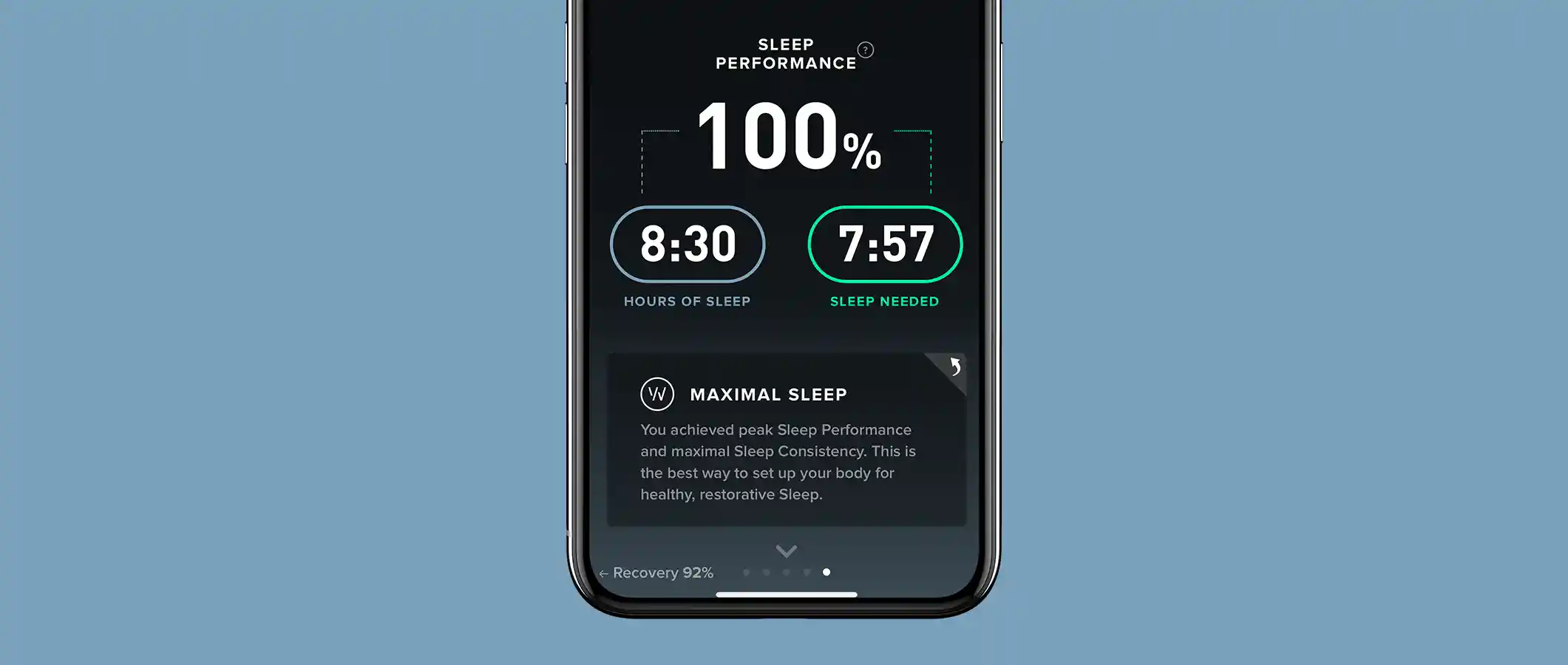
The message for people trying to lose weight is clear — sleep makes a big difference in the results of any dietary intervention you attempt to employ. Through observations in WHOOP data, we can safely hypothesize that meeting sufficient sleep need and stabilizing sleep/wake times (maintaining your circadian rhythm) is one of the easiest ways to positively influence your health. Optimal metabolic health (relative to your potential) is not possible without sufficient, quality sleep.
By quantifying your sleep patterns and their effects on your body, you can move from insight to action. Monitoring your Sleep and Recovery provides the personalized data you need to see how your behaviors affect your physiology, helping you build habits that lead to better outcomes and wake up feeling recovered.
Frequently asked questions about sleep and weight loss
How much sleep do I need for weight loss?
Most adults need seven to nine hours of sleep per night. However, your optimal amount is unique to you. Focusing on consistently meeting your personal Sleep Need is the most effective strategy for supporting weight management.
Can one night of bad sleep cause weight gain?
One night of poor sleep is unlikely to cause significant fat gain, but it can lead to temporary weight fluctuations. More importantly, it triggers the hormonal and cognitive changes that increase hunger and cravings, making overeating more likely the next day.
How does sleep help reset your metabolism?
Consistent, sufficient sleep helps restore your body's insulin sensitivity and rebalances key metabolic hormones like ghrelin and leptin. This allows your body to manage blood sugar and process energy more efficiently. Sleep supports a healthy metabolic rate and your body's ability to use fat for fuel.