Topics
- Article
- Women’s Performance
- Hormonal Health
- Training & Exercise
Working Out During Your Period: Benefits and Timing
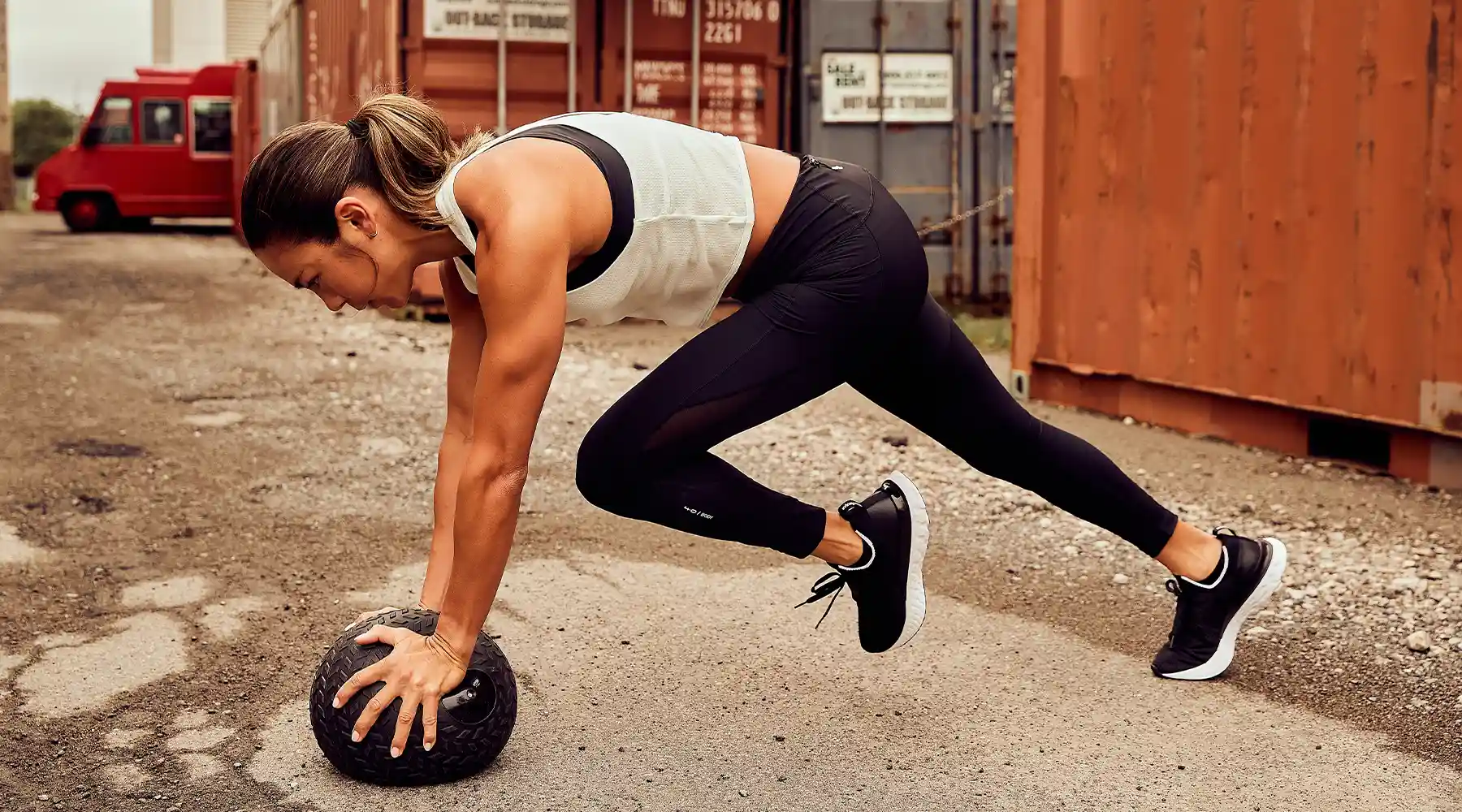
Working out during your period can help you build muscle faster with better recoveries the next day and may decrease your worst symptoms.
Working out during your period may seem like a non-starter for some of us. We'd rather lie on the couch with a heating pad, but exercising may just be the best thing you can do to relieve the worst of your symptoms. Understanding how your menstrual cycle affects your physiology can help you make smarter decisions about when to push hard, when to scale back, and how to optimize your training throughout every phase of your cycle.
Benefits of exercising on your period
The endorphins your body releases during exercise help reduce your perception of pain and trigger positive feelings. If you usually feel down or suffer from menstrual cramps, working out can reduce cramping and boost your mood. Aerobic activity before your period can relieve PMS symptoms in the same way.
You can gain more muscle during your period than at any other phase of your cycle, according to Dr. Stacy Sims, who collaborated with the WHOOP data science team on a study that uncovered key differences between natural menstrual cycles and hormonal birth controlled menstrual cycles. "Physiologically, your body is primed to hit it hard," Dr. Sims said during a recent AMA with WHOOP members. Sims added that it was a myth that you shouldn't work out during your period.
WHOOP research found that in naturally cycling individuals (not using hormonal birth control), heart rate variability (HRV) and recovery are elevated in the early and mid-follicular phases. During this phase, estrogen levels are low. High estrogen levels increase vagal activity and decrease sympathetic activity, but low levels mean these systems are more prepared for fight or flight instead of pregnancy.
Your body is resilient to stress during your period, so you can work out harder while having better recoveries the next day. During the follicular stage (starting with your period and ending with ovulation) your body can better access carbohydrates from your diet, your HRV is generally higher and you can get more REM and deep sleep. This all adds up to stronger recoveries and the ability to perform the next day.
This chart shows the phases of a normal menstrual cycle.
What to do and what to avoid when exercising on your period
Listening to your body is always the first step. Your Recovery score can provide a daily, data-driven look at your capacity to take on Strain. On days you feel up to it, you can stick to your regular routine.
During your period, exercises like walking, light jogging, swimming, and restorative yoga can help ease cramps and boost your mood without adding excessive stress. If you feel strong, you can incorporate strength training or even short bursts of high-intensity work. As Dr. Stacy Sims suggests, even a few short sprint intervals — something like 20 seconds all out 5-8 times with 2 minutes' cruise between — can increase post-exercise anti-inflammatory responses and release endorphins.
If you're experiencing significant fatigue or discomfort, it may be wise to avoid pushing for a new personal record or engaging in long, grueling workouts. The goal is to support your body, not to deplete it.
Your period is the ideal time to get aggressive with your workouts and strength training if you feel capable. Try high-intensity interval training (HIIT) or plyometrics, or stack on the weights and do heavy resistance anaerobic training. "Don't let the myths get to you! If you feel like hitting it hard, go for it," Dr. Sims says.
Understanding your cycle and how it impacts training
Your menstrual cycle has a direct impact on your physiology and your readiness to train. Your period marks the beginning of the follicular phase, a time when your primary hormones, estrogen and progesterone, are at their lowest levels. With lower hormones, your body is often more resilient to stress and can more easily access carbohydrates for fuel.
WHOOP data shows that for many members with natural cycles, heart rate variability (HRV) and Recovery are often higher during this phase. This physiological state means your body is primed to handle training, recover efficiently, and build strength. Understanding these patterns can help you align your hardest workouts with the days your body is most prepared to perform.
Train smarter with Menstrual Cycle Insights
WHOOP can help you learn more about how your menstrual cycle affects your sleep, HRV, and recovery when you track it in the WHOOP Journal. The Menstrual Cycle Insights feature can track your cycle and make personalized sleep and strain recommendations based on your daily recovery metrics and what phase of your cycle you're in. The feature is available for all menstruating members, including those with and without hormonal birth control, providing tailored insights.
For example, in the late luteal stage, the week before your period, you may get poor sleep along with other symptoms that can affect your recovery. On those days, Menstrual Cycle Insights may adjust your strain recommendations to prioritize active recovery. WHOOP monitors your sleep, HRV, resting heart rate, blood oxygen, and skin temperature to help you track your daily performance and recovery, as well as how they are affected by your menstrual cycle.
Optimize your health with WHOOP
Your menstrual cycle is not a limitation — it is a key part of your physiology. By understanding the patterns of your cycle, you can adapt your training, sleep, and recovery to work with your body, not against it. Moving from general advice to personalized insights allows you to make smarter decisions every day.
Frequently asked questions about working out on your period
Is it good to exercise on your period?
Yes, for many people, exercising during their period is beneficial. Physical activity can help relieve menstrual cramps, reduce bloating, and boost your mood by releasing endorphins. Light to moderate exercise is often recommended, but you can adjust based on how you feel.
What exercises should be avoided during periods?
There are no exercises that must be universally avoided. However, it is important to listen to your body. If you are feeling fatigued or experiencing significant discomfort, you might choose to scale back on high-intensity, high-impact, or exceptionally long workouts until you feel better.
Why does working out feel harder on your period?
While some individuals feel stronger during their period due to hormonal shifts, others may experience fatigue, reduced energy, or increased discomfort. This can be due to factors like inflammation, lower iron levels, or the general physiological stress of menstruation. Your WHOOP recovery score can help you gauge your body's readiness to perform each day.
Menstrual Cycle Insights: This feature is not available for users under the age of 18. This feature is for wellness purposes only and not for medical use.