Topics
- Post
- Organizations
How sleep and recovery shape high performance with Kristen Holmes
Originally published on January 9, 2019
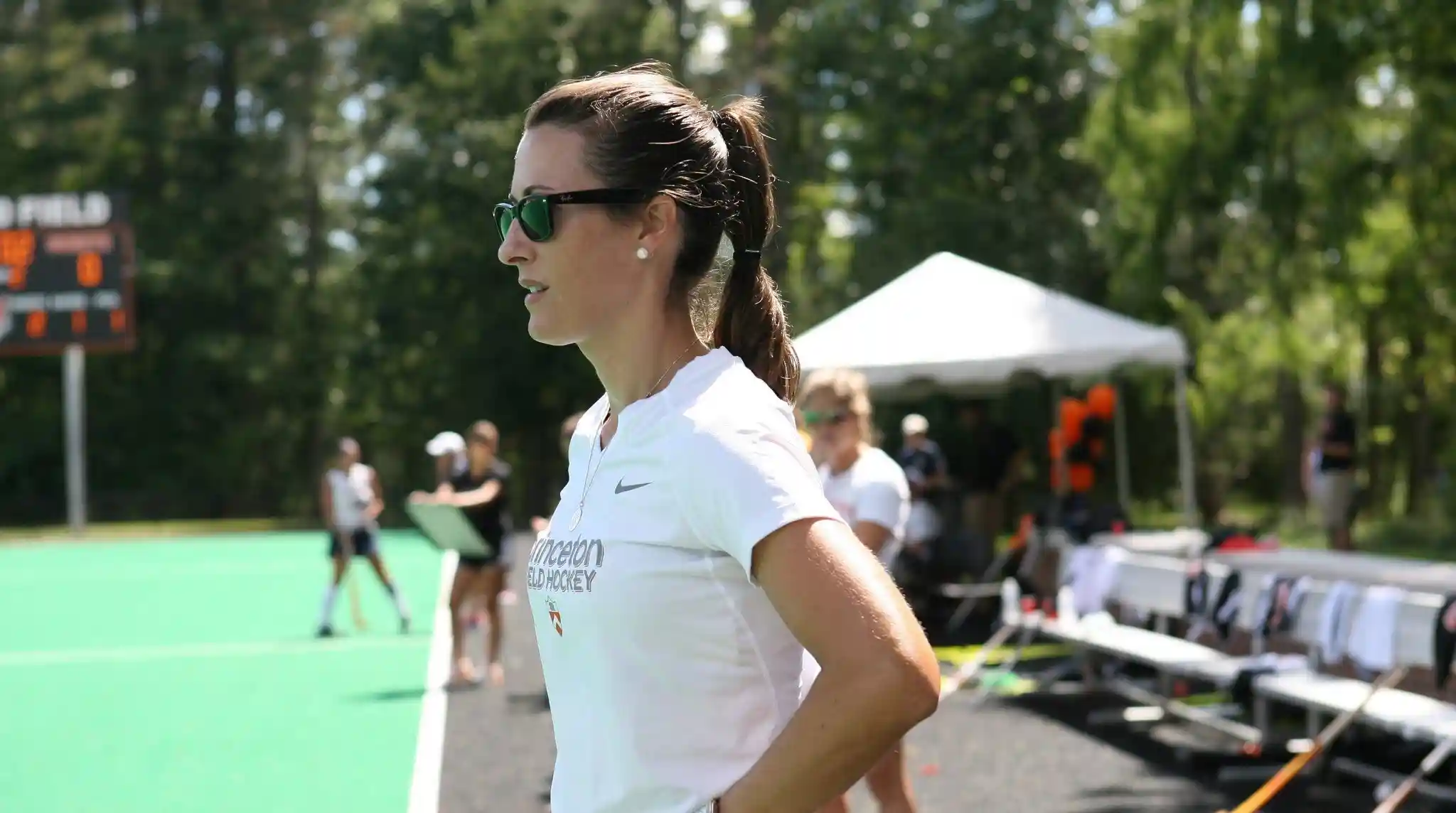
Sleep, recovery, and daily behavior choices are some of the clearest levers for better performance, and this conversation explains how to apply them. In Episode 5 of the WHOOP Podcast, Kristen Holmes, Global Head of Human Performance, Principal Scientist at WHOOP, breaks down the system she used to win 12 Ivy League titles in 13 seasons at Princeton University and how that same thinking now helps elite athletes, military operators, and WHOOP members interpret data more effectively.
Holmes argues that performance becomes more repeatable when people understand the physiological and psychological inputs behind it. That includes sleep duration, sleep timing, training load, stress, and the habits that either raise or lower readiness from day to day.
Note: This article covers WHOOP Strap 2.0. For current WHOOP hardware, see WHOOP.
To listen to Episode 5 of the WHOOP Podcast in full, head to the WHOOP Podcast on Spotify.
How did Holmes build a repeatable performance system at Princeton?
Holmes built her coaching model by treating performance as something trainable off the field, not just during practice. After playing for the University of Iowa and the United States National Field Hockey Team, she realized that technical and tactical coaching alone would not create consistent results.
At Princeton University, that led her to focus on the hours before athletes ever reached the practice field. She started teaching athletes how sleep, recovery, stress, purpose, and autonomy shaped day to day readiness. Just as important, she set expectations early in recruiting. Holmes wanted athletes to understand that the environment would be demanding, reflective, and honest.
She said the point was to move performance away from chance and toward repeatable behaviors. That same idea shows up again in Holmes's later conversations about the science of winning and team culture built on behavior.
Holmes put the framework this way:
"If you're willing to develop the habits, if you're willing to focus on the variables that we know are going to influence your mindset and your perception, you can then effectively choose your level of mental, physical, emotional response."
What you should take away
- Holmes treated physiology and psychology as daily performance inputs, not background factors.
- Clear expectations during recruiting helped create a healthier and more stable team environment.
- A consistent education model gave athletes a way to repeat high level behaviors across a full season.
If you want to hear Holmes unpack how she built Princeton's performance model, listen to the full episode on Spotify.
Why did Holmes put sleep at the center of performance?
That coaching model led Holmes to one variable above the rest: sleep. Her answer was direct. Sleep sits at the center because it affects recovery, mood, cognition, motivation, and how people handle stress.
At Princeton, Holmes tried to make sleep a real behavior target, even before continuous monitoring was widely available. In season, she described setting rules around time in bed so athletes had a concrete standard instead of a vague goal. She also tied sleep to mental health, citing campus data that linked 35% of mental health issues to sleep debt.
Later in the conversation, Holmes and Will Ahmed also discussed sleep consistency. That matters for people who think they can get by on less sleep simply because they feel fine. In practice, a repeatable bedtime and wake time can change how recovered you feel even when total hours look similar.
Holmes gave one of her clearest examples when describing what she asked athletes to do in season:
"Four nights a week, I'm getting at least 9 hours."
What you should take away
- Sleep was the first behavior Holmes tried to standardize because it affects both performance and mental health.
- A time in bed target can work better than a general promise to sleep more.
- Sleep consistency belongs in the conversation with sleep duration, especially during a competitive season.
If you want to hear Holmes go deeper on why sleep became her first priority, listen to the full episode on Spotify.
What happens when athletes can see their own data?
Once sleep becomes a priority, the next question is how to make it visible. Holmes said behavior changed faster when athletes could see their own data rather than waiting for a coach to interpret it for them.
Her preferred rollout was simple. Make participation voluntary, explain the performance upside in sport specific language, and let athletes choose in. Holmes said uptake was nearly universal once people understood the value. From there, the culture shifted. Instead of only talking about playing time or social chatter, athletes started comparing Strain, REM sleep, and Recovery.
The practical value shows up in the stories Holmes shared. In one case, data helped uncover that an athlete waking up soaked in sweat was likely having a nighttime fueling problem. In another, a string of nine red Recoveries after a previously stable stretch pointed to a traumatic event over break, which helped surface a need for support that might have stayed hidden.
Holmes made the principle clear:
"The athletes need to have access to their own data."
What you should take away
- Holmes saw faster behavior change when athletes owned the data instead of only coaches seeing it.
- Voluntary onboarding paired with clear performance examples helped create buy in.
- Sleep and Recovery trends can reveal issues that training load alone does not explain.
If you want to hear Holmes unpack why athlete access changes behavior, listen to the full episode on Spotify.
What has WHOOP data shown in teams and military settings?
Visibility matters most when it changes decisions at scale. Holmes pointed to cases in team sport and the military where access to data improved both behavior and performance.
One example came from a six month study with the United States Navy Explosive Ordnance Disposal Unit. Holmes said operators who could see their WHOOP data spent more time in bed than those who could not. She also said they increased time in REM and slow wave sleep, then improved by as much as 27% across the physical metrics being tracked.
She shared similar patterns in professional sport. In one NBA case, an All Star improved sleep efficiency by 10% over a matched period and saw large jumps in points, shooting, and assists. In one NHL case, Holmes said puck touches nearly doubled when the player was above his average Recovery line. The point was not that one score predicts one stat line. The point was that physiological status changes what an athlete can express.
Holmes described the military finding with unusually clear numbers:
"They improved relative to the group that did not have exposure to the data by up to 27% across all the physical metrics they were tracking."
What you should take away
- Holmes reported that giving military operators access to their WHOOP data increased time in bed and deeper sleep stages.
- Recovery status can change how much of an athlete's existing skill shows up in competition.
- Team level monitoring becomes more useful when it informs minutes, travel, and training decisions instead of serving as passive reporting.
If you want to hear Holmes go deeper on military data and elite team results, listen to the full episode on Spotify.
What habits did Holmes use in her own routine?
Those same ideas show up in Holmes's own routine. Her approach was specific, and it centered on protecting sleep before trying to chase exotic recovery tools.
She said her bedtime routine usually started around 8:30 p.m. after her kids were asleep. She put her phone on airplane mode, used blue light blockers up to three hours before bed, kept her room at 64 degrees, wore a sleep mask, and sometimes wore socks halfway on so her feet stayed warm before the socks slipped off. She also used gratitude journaling before sleep and again after waking.
Mindfulness was another constant. Holmes said she practiced it three to five times a day, often in one to three minute blocks, to reduce stress buildup before it affected sleep onset. She even ran a self test in 2017 by removing mindfulness for three weeks. According to Holmes, her heart rate variability, resting heart rate, sleep performance, and Recovery all moved about 12% off baseline during that stretch.
Her sleep first philosophy lines up with other WHOOP Podcast episodes on recovery habits, including Kate Courtney's sleep routine and the conversation on mental performance with Dr. Jim Loehr.
Holmes summarized the mindfulness experiment with a concrete number:
"My HRV, my resting heart rate, sleep performance and Recovery were all off my baseline by, I think, on average, 12%."
What you should take away
- Holmes built her routine around sleep protection, not just training effort.
- Blue light control, a cold room, a dark room, and a stable bedtime were part of her nightly standard.
- Short mindfulness sessions across the day were meant to lower stress buildup before bed.
- Holmes used personal data to test whether a habit was helping instead of relying on guesswork.
The bottom line
- Holmes treated performance as a daily system shaped by sleep, recovery, stress, purpose, and behavior.
- Sleep was the first lever Holmes tried to standardize because it affects readiness, mood, and mental health.
- Athlete access to personal data mattered because behavior change happened faster when people could see the consequences of their choices themselves.
- Holmes used WHOOP trends to spot problems that training metrics alone could miss, including poor fueling and major life stress.
- A six month study Holmes cited with the United States Navy Explosive Ordnance Disposal Unit found more time in bed, more REM and slow wave sleep, and physical improvements of up to 27% in the group with data access.
- Holmes built her own routine around early wind down, blue light reduction, journaling, mindfulness, and a cool, dark sleep environment.
- Sleep consistency and pre bed habits were recurring themes because readiness depends on more than total hours alone.
- Recovery data became most useful when it changed real decisions about minutes, travel, training load, and behavior.
Frequently asked questions about things discussed in this episode
How does WHOOP help with sleep consistency?
WHOOP helps with sleep consistency by showing when you go to bed, when you wake up, and how those patterns relate to Recovery. Your Sleep and Recovery trends make it easier to see whether a stable schedule is supporting readiness.
How does WHOOP show when stress outside training is affecting recovery?
WHOOP shows non training stress through changes in Recovery, heart rate variability, resting heart rate, and sleep patterns. Your data can reflect psychological stress, travel strain, poor fueling, or other life events that are separate from workout load.
What does WHOOP do for athletes deciding how hard to train today?
WHOOP gives athletes a daily view of Recovery so training decisions can match current readiness. Your Recovery, Sleep, and Strain trends help show whether the body is ready for more load or needs more rest.
How does WHOOP help teams change behavior instead of just collecting data?
WHOOP helps change behavior when athletes can see their own data and connect it to performance outcomes. Your access to Sleep, Strain, and Recovery makes the feedback immediate, which can change choices around bedtime, alcohol, hydration, and recovery habits.
What does WHOOP measure for Recovery?
WHOOP calculates Recovery using signals that include heart rate variability, resting heart rate, and sleep performance. Your daily Recovery gives context for how prepared the body appears to be for stress that day.
How does WHOOP help with travel across time zones?
WHOOP helps with travel by showing how sleep timing and recovery respond before, during, and after a trip. Your data can help you test strategies around meal timing, sleep timing, naps, and how long it takes to return to baseline.
For people trying to connect sleep, training load, and daily choices, WHOOP surfaces the same signals Holmes used to coach athletes and test her own routine.