Topics
- Article
- Sleep
- Circadian Health
Sleep Myths Debunked: 12 False Beliefs, 1 Maybe True
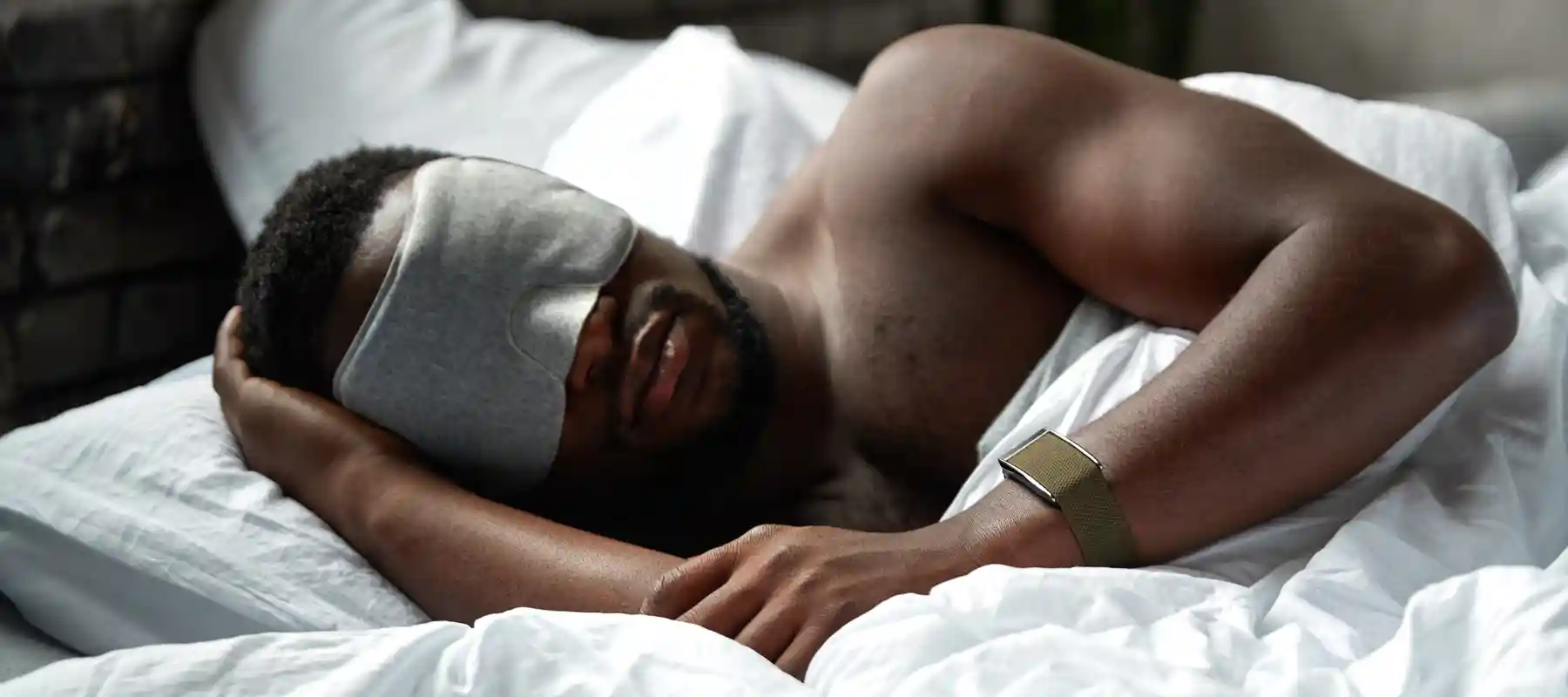
There are a lot of misconceptions around sleep. WHOOP looks at the science behind some of the most popular myths to discover if there is any truth behind these beliefs.
Some ideas about sleep are so ingrained into our collective consciousness that we think they must be true. However, scientific studies about human sleep have shown that many of the things we believe about sleep are false. We've looked at some of the biggest myths around sleep and debunked most of them.
Myth 1: Adults need 8 hours of sleep every night
Debunked: Eight hours isn't the right amount for everyone. The National Sleep Foundation recommends that adults get between 7 and 9 hours of sleep per night.
WHOOP members average slightly more than 7 hours of sleep each night. Women average 7:23 while men get 7:06 hours of sleep. However, your sleep needs can change daily based on how much sleep you got the night before and the amount of exercise and stress you accumulated throughout the day.
WHOOP quantifies your daily strain to help you determine how much sleep you need on a particular night. Based on that and leftover sleep debt from previous nights, Sleep Planner calculates exactly how much sleep your body needs each night.
Myth 2: Time in bed equals time asleep
Debunked: Many people think that if they go to bed at 11 pm and wake up at 7 am they're getting 8 hours of sleep. Unfortunately that's not the case, and in reality if you're in bed for 8 hours you're probably getting a lot closer to 7 hours of sleep. Disturbances (minor body movements) and waking periods can amount to close to an hour of lost sleep each night.
WHOOP tracks these occurrences as you sleep so you can see how much sleep you're actually getting.
Myth 3: You can learn to function just as well with less sleep
Debunked: You may be able to function on less nighttime sleep by taking a nap during the day, but that's not the same as functioning on less sleep. In one study published in the journal Sleep, participants who cut their sleep to 6 hours a night suffered the same decreases in cognitive function and reaction time as people who went two full nights without sleep. The study found they did not adapt to the new sleep schedules, and they were generally unaware of their poor performance.
Myth 4: You can't catch up on sleep
Maybe true? When you fail to get all the sleep your body needs you accumulate sleep debt. Sleep debt is the amount of extra sleep you need because of insufficient sleep the night before.
Naps can help you catch up, but you won't gain any benefits if your afternoon snooze prevents you from sleeping at night. The "power nap," an early afternoon nap between 10 and 20 minutes in length, allows you to enter light sleep but not a full sleep cycle. This can help you feel refreshed rather than groggy.
The "power nap", an early afternoon nap between 10 and 20 minutes in length, allows you to enter light sleep but not a full sleep cycle. This can help you feel refreshed rather than groggy.
The average length of a full sleep cycle is about 90 minutes. A 90-minute nap allows you to spend time in each sleep stage (light, deep and REM) and can help you feel rested and rejuvenated.
Myth 5: The brain adjusts quickly to changes in your sleep schedule
Debunked: Your circadian rhythm dictates your sleep-wake cycle, and it relies on consistency. When you drastically change your sleep schedule, your body struggles to keep up. This misalignment leads to poor sleep quality and lower recovery.
Maintaining consistent bed and wake times helps regulate your internal clock. Sleep Planner monitors your sleep patterns and recommends optimal times to go to bed and wake up, helping you build better sleep consistency.
Myth 6: Watching TV or using your phone are good ways to relax before bed
Debunked: Your bedtime routine should not include watching TV or looking at your phone. Blue light from electronics directly affects human circadian rhythm.
If you do watch TV or play with your phone at night, try wearing glasses that block blue light. Many phone models offer settings that alter the screen temperature to a warmer color filtering out blue light.
Myth 7: Reading in bed will prevent you from sleeping
Many people find that reading before bed helps them relax, which can positively impact recovery.
Debunked: A 2009 study showed that 6 minutes of reading a book reduced stress by 68%. Reading can distract your mind, allowing your muscles to relax and your breathing to slow.
Aim for 20-30 minutes max and put the book down if you start feeling sleepy. What you read doesn't matter as long as it's interesting to you. Reading from a screen has a different effect due to blue light exposure (see Myth 6).
Myth 8: Alcohol before bed helps you sleep
Debunked: Drinking alcohol may put you to sleep, but it does not provide good sleep. The sedative effect of alcohol prevents you from reaching the restorative stages of sleep (see Myth 11) as your body works to process the alcohol in your system. Even if you sleep for a long time after drinking, you won't wake feeling rested.
Myth 9: Exercising at night is bad for sleep
Debunked: A 2018 study suggests that evening workouts are fine, as long as you have a chance to wind down before bed. Researchers found that evening exercise helped people fall asleep faster and spend more time in deep sleep. However, high-intensity training less than an hour before bedtime increased sleep latency and reduced sleep quality.
Myth 10: The brain shuts down and is inactive during sleep
Debunked: Sleep is an active biological process. While your body rests, your brain cycles through different sleep stages, including light sleep, deep sleep, and REM sleep.
During deep sleep, your body repairs muscle tissue and strengthens the immune system. During REM sleep, your brain consolidates memories and processes emotions. WHOOP measures your time spent in each sleep stage so you can understand how effectively your body is recovering overnight.
Myth 11: How long you sleep is all that matters
Debunked: Duration is important, but it's not everything. Sleep quality and sleep continuity are also vital to your overall health. Health issues such as sleep apnea and insomnia can cause disruptions in your sleep cycle.
Even when you meet your sleep goals, you may still not feel refreshed the next day if your sleep cycles are interrupted.
Myth 12: Waking up in the middle of the night isn't normal
Debunked: It's normal for even the best sleepers to have disturbances and be awake for short periods of time. Wakings can be exacerbated by noise, artificial light, a partner's movements and other causes.
There is evidence that in some cultures our ancestors had a first sleep and a second sleep with 1-2 hours between where they were awake and active. They still got enough sleep but did not try to sleep 7-9 hours straight like we do today.
Myth 13: Being able to fall asleep anytime is healthy
Debunked: Being able to fall asleep at any time and anywhere is not a sign of being a good sleeper. It's a sign of having sleep problems. While some people, including military personnel, have trained themselves to sleep at any time using specific techniques, dropping off to sleep at random times is different.
It can be a sign of insomnia, circadian rhythm disorders, narcolepsy and even sleep apnea.
Myth 14: Lying in bed with your eyes closed is as good as sleeping
Debunked: Lying there trying to sleep is not the same as sleeping, and it doesn't have the same benefits. Sleep is a state in which we experience sensory detachment from our surroundings.
During sleep, your brain processes the previous day's activities and the body is rested, repaired and prepared for the next day. Rest does not involve the same levels of disengagement from surroundings as sleep.
Myth 15: Snoring is mostly harmless
Debunked: Snoring has several causes, including anatomical, alcohol consumption, allergies, illness, and weight. Almost everyone snores occasionally, and it can be harmless to the snorer.
If the noise is accompanied by pauses in breathing, gasping or choking at night, excessive daytime sleepiness, difficulty concentrating, or a sore throat upon waking, it may be time to see a sleep specialist. These can be signs of obstructive sleep apnea (OSA). People with OSA are at risk of high blood pressure, heart disease, stroke, and motor vehicle accidents.
Debunk your personal sleep myths with WHOOP
WHOOP automatically detects exactly when you fall asleep each night, as well as the amount of time you spend awake, in light sleep and in the restorative stages, REM and deep sleep. Sleep Planner uses your circadian rhythm to make recommendations on ideal bed and wake times. The Journal lets you track variables like alcohol, caffeine, and screen time, allowing you to discover what helps you sleep and what doesn't.
Frequently asked questions about sleep
Why do I toss and turn all night?
Tossing and turning often results from poor sleep hygiene, high stress, or an irregular sleep schedule. Late-night meals, alcohol consumption, and screen time before bed can disrupt your ability to settle into deep sleep. Tracking your daily habits in the Journal helps identify which behaviors cause restlessness.
Is one night of bad sleep ok?
Yes. A single night of poor sleep will increase your sleep debt and likely lower your recovery the next day, but it does not ruin your long-term health. Your body is resilient.
Focus on getting back to your normal sleep schedule the following night rather than stressing over the lost hours.
What is the 3-3-3 rule for sleep?
The 3-3-3 rule is a general guideline for winding down before bed. It suggests stopping heavy meals, work or intense activities, and screen time three hours before sleep. Creating a structured wind-down routine improves your ability to fall asleep faster and spend more time in restorative sleep stages.