Topics
- Post
- Research Studies
- Circadian Health
The Science of Travel Fatigue — and How to Protect Performance on the Road
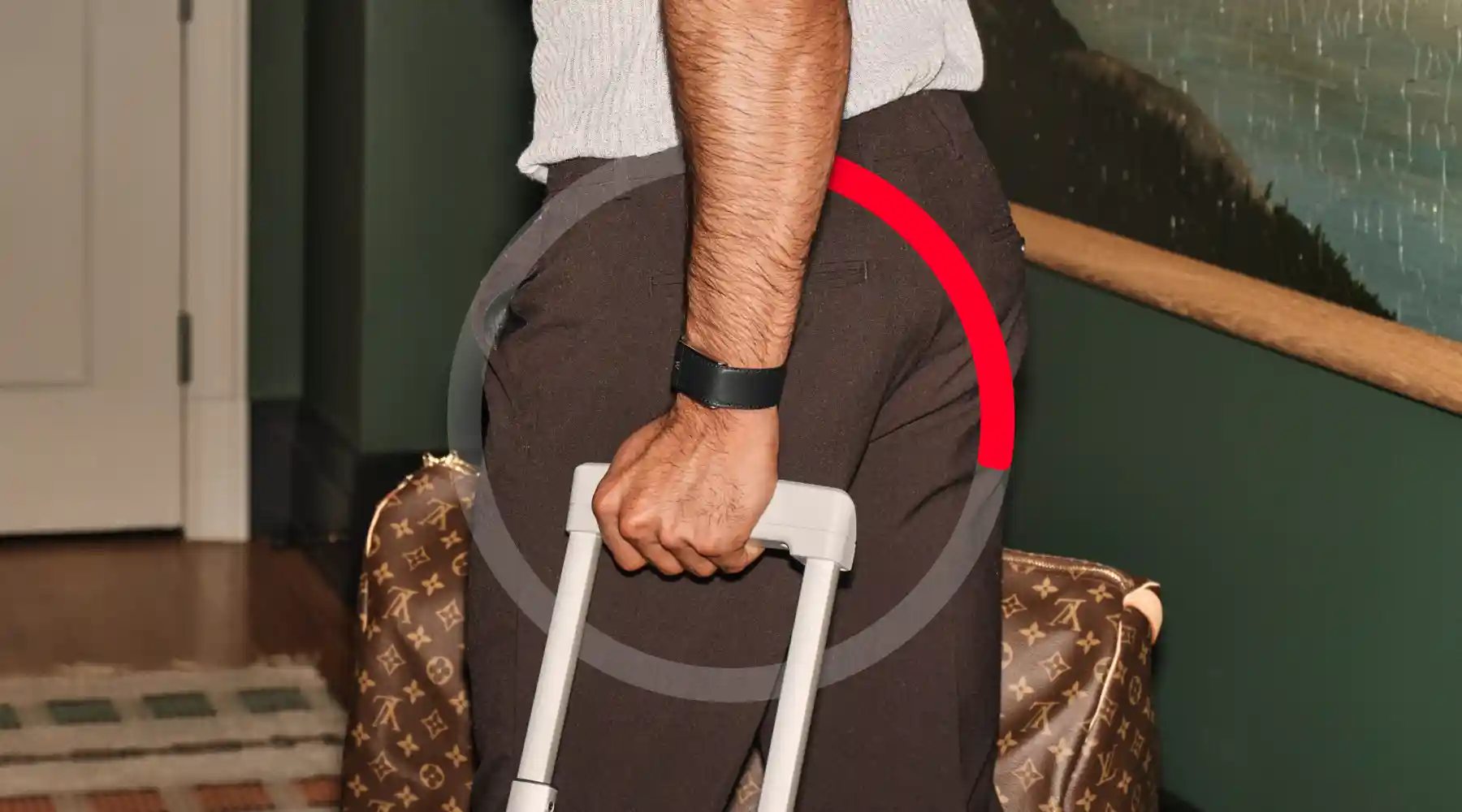
Today’s athletes are traveling more than ever — competing across time zones, climates, and continents. But athletes aren’t the only ones feeling the strain. Whether you're heading to a weekend tournament, a business meeting, or a red-eye flight across the country, travel takes a measurable toll on your body.
A new narrative review led by experts from WHOOP and academic collaborators at UCSF, UCLA, Ontario Tech University, Monash University, and Brigham and Women’s lays out exactly how and why this happens. Published in Sports Medicine, the paper introduces a first-of-its-kind blueprint to help optimize travel for athletic performance, but the insights are relevant to anyone who wants to feel and perform at their best while on the move.
The hidden cost of travel
Travel isn't just tiring — it’s physiologically disruptive. Even short trips can interfere with your sleep, recovery, and immune function. And longer or eastward trips can amplify those effects.
The research shows that travel affects nearly every system in the body:
- Sleep and circadian rhythm: Jet lag and inconsistent sleep schedules degrade cognitive and physical performance
- Hydration and nutrition: Dehydration and disrupted fueling reduce endurance and recovery
- Immune system: Travel stress and poor sleep increase illness risk up to 3x
- Injury risk: Fatigue and poor recovery may raise the likelihood of soft tissue injuries
- Gut health and microbiome: Even without illness, travel alters your gut bacteria, which can affect digestion and inflammation
- Environmental tolerance: Traveling to hot, humid, or high-altitude environments without time to adjust can impair performance and recovery
- Cognitive performance: Travel stress can affect mental sharpness, reaction time, and decision-making at work and home, not just physical output
While much of the research centers on elite athletes, the physiological principles apply universally. Whether you're a recreational runner or a frequent flyer trying to stay sharp, travel challenges your body’s ability to adapt.
What the science says
The research, co-authored by WHOOP scientists and published in a peer-reviewed journal, outlines practical, evidence-informed strategies to help minimize the physiological strain of travel.
Some key findings:
- Eastward travel is harder to adjust to than westward travel. This is because it requires advancing your circadian rhythm, which is more difficult than delaying it.
- Sleep disturbances are common after travel, especially after long-haul flights. On average, it takes about a day per time zone crossed to adjust.
- Hydration matters more than most people realize. Long flights can reduce plasma volume and impair performance—even without visible signs of dehydration.
- GI issues are common among travelers, and disruptions to the gut microbiome can affect everything from digestion to immune function.
What you can do
The good news: many of these effects can be anticipated and managed with the right tools and habits. The research outlines a number of practical strategies, including:
Before Travel
- Gradually shift your sleep and meal times toward the destination’s timezone; the circadian clock typically adjusts ~1 hour per day
- Prioritize sleep consistency and duration — build a “sleep buffer” before your trip, aiming for ~8–9+ hours/night in the 3-5 days leading up to travel
- Start hydrated and bring electrolyte-rich fluids
During Travel
- Minimize screen time and light exposure during flights, especially if flying overnight
- Avoid alcohol and heavy meals close to landing
- Nap strategically if needed (early afternoon naps are best); short naps ~20-30 min, or up to ~90 min if severely sleep deprived; best in early afternoon
After Arrival
- Get natural light exposure at the right times (morning light for eastward travel, late afternoon for west)
- Align meals and activity to the local schedule as soon as possible
- Use WHOOP to monitor how your Recovery and Strain respond over the next 48–72 hours
WHOOP helps you see and respond to travel stress
This research makes it clear: travel is a measurable performance disruptor, even in healthy, fit individuals. WHOOP is uniquely positioned to help members manage this stress by making the invisible visible.
Your WHOOP data can show how travel is affecting your Sleep, Recovery, Heart Rate Variability (HRV), Resting Heart Rate (RHR), and more. It gives you the insight to take action — whether that’s shifting your routine, prioritizing sleep, or adjusting your training.
Athlete or not, we all rely on our bodies to perform — physically, mentally, and emotionally. Travel can challenge that performance. But with the right strategies and tools, you can stay one step ahead.