Topics
- Post
- Golf
- Member Stories
How pro golfers use sleep, recovery, and routine to perform better
Originally published on August 4, 2020
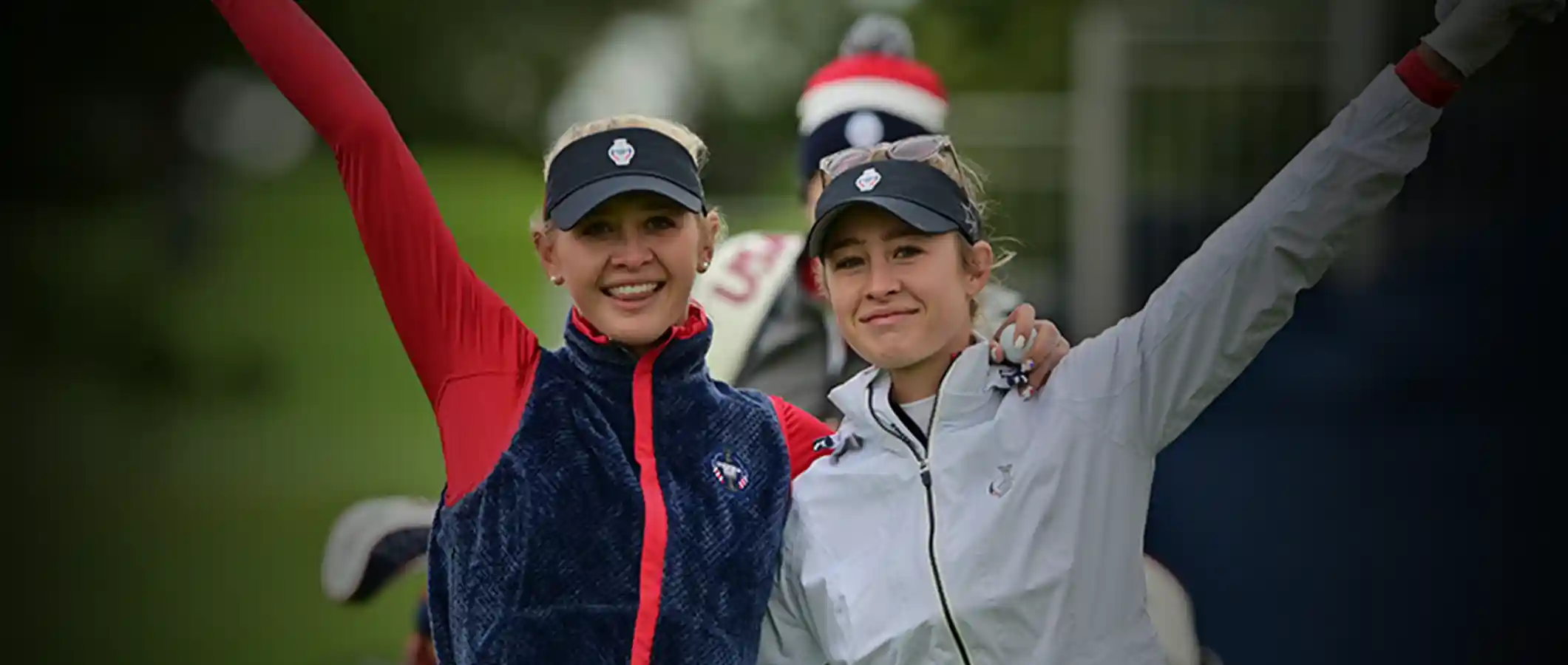
Golf performance depends on more than swing mechanics. In Episode 85 of the WHOOP Podcast, Jessica Korda and Nelly Korda explain how family expectations, travel, sleep, training, and daily routine shape life on the LPGA Tour.
The sisters grew up in a pro-athlete family as the daughters of Australian Open champion Petr Korda and former professional tennis player Regina Rajchrtova. At the time of the conversation, Nelly was ranked No. 2 in the world, and Jessica was already an LPGA Tour winner. This article pulls out five practical lessons from their conversation, including how they use WHOOP data, why tournament golf creates real physical strain, and what keeps them steady when results and income reset every week.
To listen to Episode 85 of the WHOOP Podcast in full, head to the WHOOP Podcast on Spotify.
How does a pro-athlete family shape golf performance?
A pro-athlete family can make elite habits feel normal long before pro results arrive. For the Korda sisters, the biggest edge was not pressure to follow tennis, it was growing up around recovery, travel, and honest feedback.
Jessica says their parents never forced one sport. The goal was simply to keep the children moving, from skis and skates to gymnastics, ballet, tennis, and golf. Once golf became serious, the standard tightened. Jessica qualified for her first U.S. Women's Open at 15, and Nelly later qualified at 14. After bad rounds, their parents did not let frustration sit alone. They asked for reflection, perspective, and a clear look at what actually went wrong.
Jessica Korda puts the value of that background plainly.
"They know more about recovery, and they know more about travel and the stress of being a professional athlete."
What you should take away
- Early exposure to elite sport can build better habits around travel, recovery, and self-review.
- The Korda sisters were allowed to try many sports before committing seriously to golf.
- Honest post-round reflection was a repeated theme in how their parents coached them.
If you want to hear the Kordas unpack how their parents shaped their careers, listen to the full episode on Spotify.
How can sisters compete hard and still help each other play better?
Sibling rivalry helps performance when trust stays intact. Jessica and Nelly both want to win, but they also know each other's games and emotions well enough to give useful help in the moment.
That shows up in individual play and team settings. Nelly laughs about draining a putt to move ahead of Jessica, and Jessica talks about dreaming of playing together in the Solheim Cup. Because they hit similar distances and see similar shots, they can club off each other and talk through options quickly. The same dynamic also explains why golf still feels like a team sport to them. Jessica's story about making a mid-round caddie change at the U.S. Women's Open underscores how much chemistry and communication matter when pressure spikes.
Nelly Korda describes the balance this way.
"I think it's a really good blend of competitiveness and also being there for each other. It's very healthy, but it's also fun for us."
What you should take away
- Competitive relationships can raise the standard when trust is strong and communication is direct.
- Similar playing styles made it easier for Jessica and Nelly to succeed together in team formats.
- Golf may look individual from the outside, but the sisters describe performance as strongly shaped by caddie and family support.
For Korda's full take on competing with a sibling at the highest level, listen to the full episode on Spotify.
What can WHOOP data reveal that golfers cannot feel on their own?
WHOOP can surface fatigue and behavior patterns before they become obvious subjectively. That was one of the clearest reasons both sisters kept wearing it.
Nelly first saw WHOOP through golfer Ryan Ruffles, then Jessica joined after seeing the data for herself. They talk about tracking Recovery, HRV, resting heart rate, travel, and sleep disruptions in the WHOOP Journal. Jessica's numbers became a running joke among other golfers, with HRV readings as high as 279 and a low day still around 163. The competitiveness extended to family data too. Their brother Sebastian, a professional tennis player, showed a resting heart rate around 33 and an HRV near 220. The broader pattern across golf is similar in Episode 73 of the WHOOP Podcast with Dylan Frittelli, and later tournament examples from the sisters appeared in Korda Sisters' 2021 success and WHOOP data.
Nelly Korda explains why the feedback mattered even on an ordinary day.
"I had like 29% recovery yesterday. When I woke up, I was like, okay, I'm fine. But then as the day went on, I was like, oh my gosh, I am so tired. Like I feel it."
What you should take away
- WHOOP gave the sisters objective feedback on fatigue that did not always match how they felt first thing in the morning.
- The Kordas used the WHOOP Journal to connect behaviors like travel, magnesium, and sleeping in their own bed with sleep quality and recovery.
- Jessica's unusually high HRV numbers became a benchmark that other golfers noticed immediately.
If you want to hear Korda go deeper on HRV, Recovery, and family data rivalry, listen to the full episode on Spotify.
Why do travel and pressure make tournament golf so draining?
Tournament golf creates a combined physical and mental load. Hours on foot, sun exposure, travel, changing beds, and weekly performance pressure all stack on top of one another.
The sisters say tournament weeks often bring good discipline around bedtime because they know how much the body is carrying. Nelly points to long days in the sun as a major driver of fatigue. Jessica talks about logging travel and sleep disruptions because her disturbances increase away from home. Both describe overseas flights as brutal, especially when they cannot sleep on the plane. The stress is not abstract either. They know their jobs reset constantly, which changes how each round feels. That same sleep-first mindset also comes up in Episode 68 of the WHOOP Podcast with Rory McIlroy. During the pandemic return to play, they also had to think about rooming restrictions and unusual health signals such as respiratory rate, a theme that appears in Episode 80 of the WHOOP Podcast with Nick Watney.
Jessica Korda frames the stress clearly.
"Our jobs are not secure. We play for our jobs every year, we play for a paycheck every week."
What you should take away
- Tournament fatigue in golf comes from walking, heat, travel, disrupted sleep, and financial pressure, not just swing volume.
- The sisters treat bedtime and routine more seriously during tournament weeks because performance load is higher.
- Travel and sleeping away from home were two of the clearest behaviors they watched inside WHOOP.
If you want to hear Korda go deeper on travel, sleep disruption, and tournament pressure, listen to the full episode on Spotify.
Do strength training and recovery work actually help golfers stay healthy and focused?
For the Korda sisters, strength training is mostly about durability, body control, and injury prevention. Extra distance is secondary.
Both sisters train 5 to 6 times per week, but their programs are different. Nelly likes cardio and says she feels best when she is sweating and moving often. Jessica leans heavily on bands and bodyweight work after past injuries. Both stress that training should fit the athlete's body, not a generic template. Recovery work follows the same idea. Jessica describes foam rolling, glute and shoulder activation, trigger point work, Normatec sessions, and post-round cooldowns as standard parts of the job. Their parents reinforced the same message for years: invest in your body if you want a long career. Across pro golf, that focus has only grown, as described in PGA Tour partnership: why WHOOP is golf's wearable of choice.
Nelly Korda gives the most direct summary.
"I like to train with my trainer 5 to 6 times a week. I just feel like when I don't, my body falls apart."
What you should take away
- The Korda sisters use strength training mainly to stay healthy and hold positions through the golf swing.
- Both golfers train frequently, but each follows a plan built for her own body and injury history.
- Recovery tools such as foam rolling, activation work, and compression boots are part of tournament preparation, not just post-injury care.
The bottom line
- Elite golf performance depends on family habits, travel management, recovery, and routine as much as swing mechanics.
- Jessica and Nelly Korda grew up using honest post-round reflection to turn bad days into specific adjustments.
- Sibling rivalry can improve performance when trust is high enough for blunt feedback and real emotional support.
- WHOOP helped the sisters spot fatigue, sleep disruption, and behavior patterns that were hard to judge from feel alone.
- Tournament golf creates real strain through long walks, sun exposure, disrupted sleep, and weekly financial pressure.
- Strength training helped the Kordas stay durable and control the swing rather than simply chase more distance.
Frequently asked questions about things discussed in this episode
How does WHOOP measure recovery for golfers?
WHOOP measures Recovery from overnight physiology, including heart rate variability, resting heart rate, sleep, and other signals collected while you sleep.
What does WHOOP do for tracking travel and sleep disruption?
WHOOP helps you connect travel with sleep changes by showing sleep performance, disturbances, Recovery trends, and behaviors logged in the WHOOP Journal.
How does WHOOP help you spot when you are run down?
WHOOP helps flag unusual strain on the body by showing changes in Recovery, resting heart rate, HRV, and, when relevant, respiratory rate.
What does WHOOP do for habits like magnesium or sleeping in your own bed?
WHOOP lets you log behaviors in the WHOOP Journal so you can review whether habits like supplements, different beds, or travel line up with better or worse recovery.
How does WHOOP help golfers during tournament weeks?
WHOOP helps golfers see whether sleep, recovery, and daily load are supporting performance during weeks when walking volume, stress, and travel are high.
What does WHOOP measure during sleep that matters for performance?
WHOOP tracks sleep duration, sleep need, and related overnight physiology so you can see whether your body is actually recovering for the next day.
For golfers dealing with heat, long walks, travel, and constant pressure, WHOOP makes recovery patterns visible enough to adjust before the next tee time arrives.