Topics
- Article
- Golf
- Recovery
The Hidden Edge in Golf: WHOOP Research Shows Recovery and Sleep Drive Elite Performance
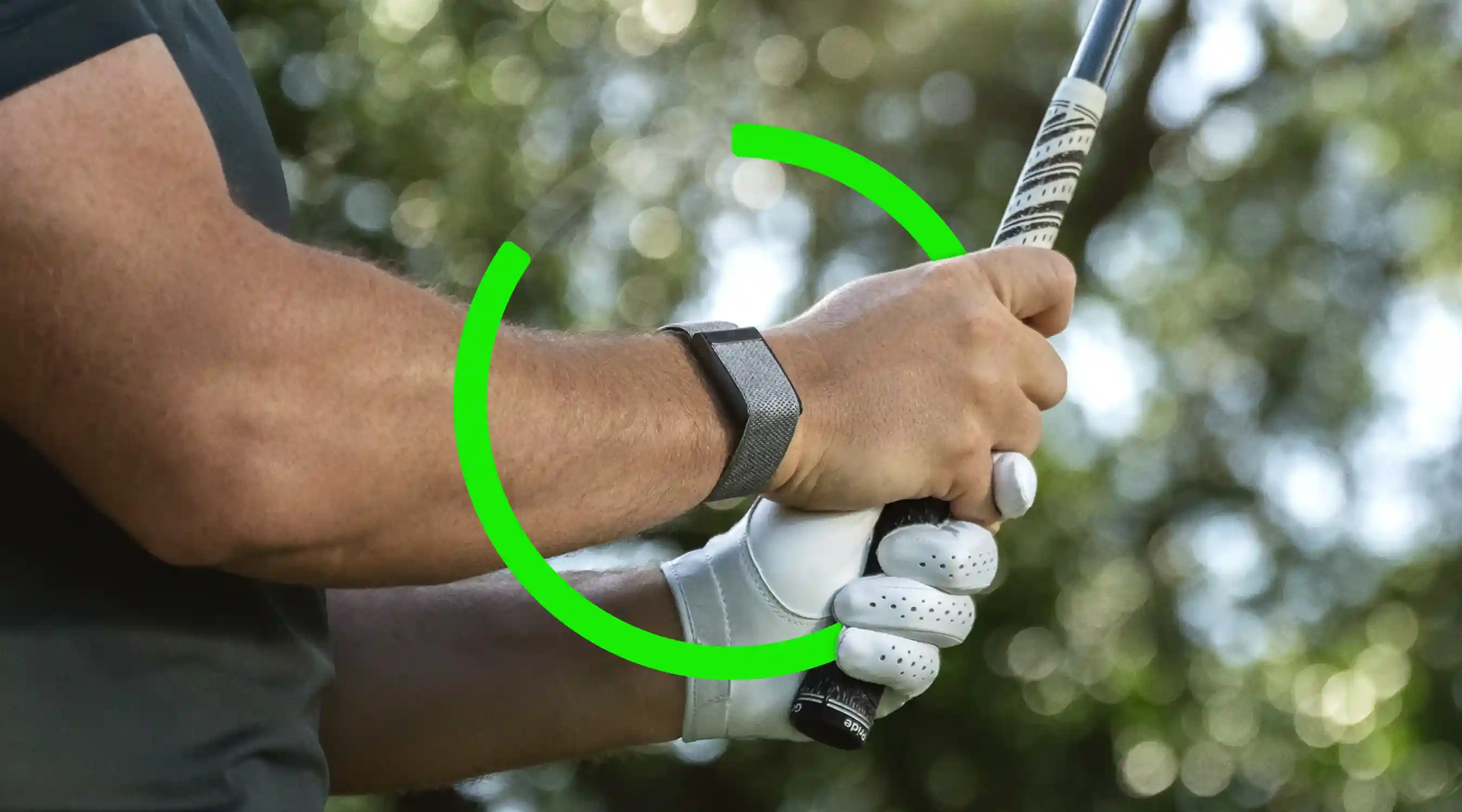
In golf, the margins are razor thin — a single stroke can separate making the cut from missing it, a top-10 finish from a missed opportunity. New research from WHOOP shows that peak performance doesn’t just come from pushing harder, it also comes from recovering smarter.
A comprehensive WHOOP study published in Human Kinetics Journals analyzes nearly 389 professional golfers over 521 tournaments, revealing that golfers who prioritize sleep, consistency, and physiological readiness consistently outperform their peers. These gains weren’t tied to just one good night of sleep or one well-timed Recovery day. Instead, these gains were the result of repeated behaviors — measured, tracked, and improved over time.
WHOOP Recovery is more than a readiness score based on physiological biometrics, it’s a way of showing up day after day with clarity, control, and a competitive edge.
What the data tells us
The WHOOP study captured 35,000+ nights of Sleep and Recovery data from elite golfers between 2017 and 2025, linking biometric trends to actual strokes gained, great shots, and fewer errors. The evidence is clear: the athletes who improved and sustained higher Recovery metrics didn't just perform better occasionally — they performed better consistently.
Key takeaways: the compound effect of recovery
1. Recovery drives performance, and it compounds over time
Every 10-point increase in WHOOP Recovery led to an average of 0.5 fewer strokes per round. That's 2 strokes over a 4-day tournament. In pro golf, that can mean the difference between missing the cut and lifting the trophy.
2. Consistent sleep is a silent game-changer
Consistent sleep helps align the body’s internal clock (circadian rhythm) and boosts mental clarity. Golfers who maintained consistent sleep schedules — not just more sleep — performed better on the course. They hit fewer poor shots and showed stronger overall play.
3. Small improvements add up
Season-over-season gains in Heart Rate Variability (HRV) and reductions in Resting Heart Rate (RHR) were tied to golf strokes gained over the competition and better putting performance. These biomarkers can’t be transformed overnight. They’re the physiological markers of long-term health, stress management, and cardiovascular efficiency.
4. Recovery is the best predictor of great shots
Across the board, higher Recovery scores were linked to more great shots and fewer poor ones. Players didn’t just feel better, they executed better. That’s the power of showing up with full readiness: more clarity under pressure, fewer mistakes when it counts.
5. One good day won’t cut it
This study wasn’t built around highlight moments, it tracked nearly a decade of play. What it uncovered is that Recovery isn’t about peaking once, it’s about sustaining peak potential over time. WHOOP members aren’t just training harder. They’re recovering with intent, and it shows.
WHOOP: The importance of consistency
This research reinforces a powerful idea: in the world of high performance, your edge isn’t in what you do once, it’s in what you do consistently. Performance is a reflection of cumulative behaviors: how you sleep, manage stress, train, and recover, built over weeks, months, and years.
Golfers often chase the next big breakthrough in their swing. But the biggest breakthrough might be in their sleep routine, their heart rate variability, or their commitment to recovery.
Interested in optimizing your health and performance with WHOOP? Explore WHOOP membership and start your journey with 24/7 science-backed insights that drive real change.
Related Articles
Muscles to Strengthen for Golf & Exercises to Improve Your Swing

Topics
- Golf
- Training & Exercise

Podcast No. 73: Dylan Frittelli, PGA Tour Winner & Former NCAA Champion

Topics
- Golf
- Member Stories