Topics
- Article
- Sleep
How WHOOP Measures Sleep: Stages, Need, and Consistency
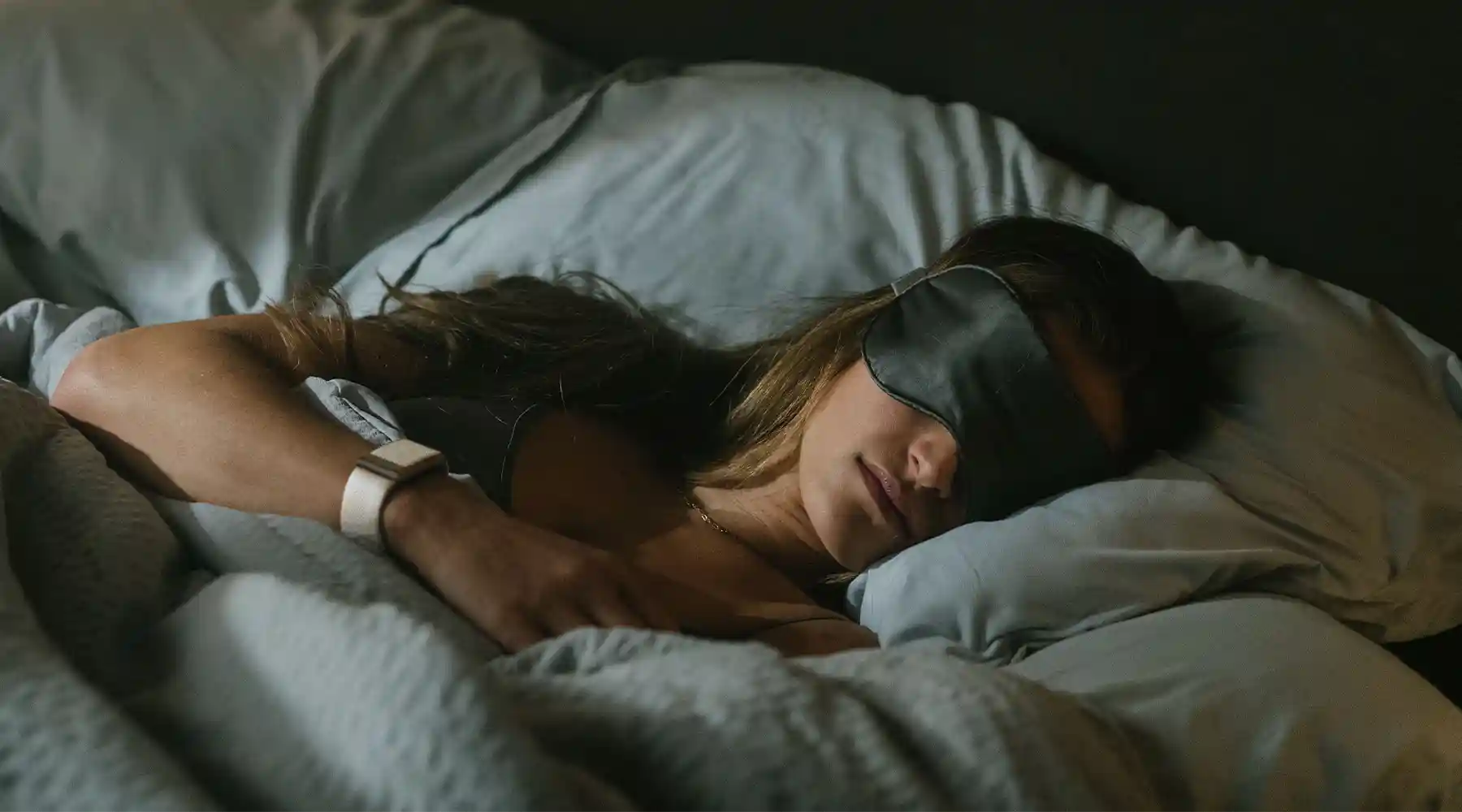
Sleep is one of the most powerful levers for optimizing your health, yet understanding what happens during those hours remains elusive for most people. A sleep tracker can bridge that gap by quantifying the quality and architecture of your rest, revealing patterns that influence everything from cognitive performance to long-term healthspan. This guide explores what makes a sleep tracker effective, how the technology works, and how WHOOP transforms raw data into personalized coaching that helps you sleep better and perform at your best.
What to look for in a sleep tracker
Choosing a sleep tracker is about finding a tool that delivers more than just data—it should provide clarity. The most effective devices offer a combination of accuracy, continuous monitoring, and personalized guidance. Look for a system that not only measures how long you sleep but also quantifies the quality of that sleep and how it impacts your body's readiness for the day ahead.
How sleep trackers measure sleep and accuracy
Most modern sleep trackers use optical sensors, a technology known as photoplethysmography (PPG), to measure your heart rate and its variability. By combining this data with input from an accelerometer that detects movement, these devices can estimate your sleep stages. However, not all trackers are created equal.
The gold standard for sleep measurement is an in-lab sleep study, or polysomnography (PSG). The most credible consumer wearables are validated against PSG to ensure their algorithms provide accurate and reliable insights into your sleep architecture.
WHOOP has invested extensively in validating its sleep tracking capabilities against polysomnography. By continuously collecting heart rate data points every second, 24/7, WHOOP delivers unmatched precision in detecting sleep stages and disturbances. This commitment to accuracy ensures that the insights you receive are grounded in rigorous science, not guesswork.
Sleep basics: understanding your sleep cycles and stages
There are 4 stages of sleep that make up your nightly sleep cycles:
Norms for how much time WHOOP members spend in each sleep stage.
Deep and REM sleep are the two restorative stages of sleep where your body and mind heal and repair themselves. However, they each have different characteristics and functions. "Awake" is included as a sleep stage because it is natural to experience a number of disturbances (also referred to as wake events) throughout the night—brief periods of time spent awake that you aren't even conscious of.
WHOOP tracks your disturbances (Wake events) throughout the night and time spent awake during sleep.
Learn More: How Light Sleepers Can Decrease Disturbances & Get More Sleep
How WHOOP decodes your sleep: need, debt, and consistency
People don't always need 8 hours of sleep every night. Sleep needs vary from person to person, and from night to night. Learn More: 12 Sleep Myths Debunked, One That May Be True
Based on your previous sleep and what you do during the day, the WHOOP Sleep Planner calculates exactly how much sleep your body needs each night. Learn More: Factors That Affect Your Personal Sleep Need Here are just a few of the many reasons why it's important to get enough sleep:
- Greater cognitive functioning and impulse control
- Stronger immune system
- Better overall metabolic health
- Beauty sleep is a real thing, it's good for your skin
When you fail to meet your sleep need, you begin to accumulate sleep debt. If you build up too much sleep debt, you become sleep deprived.
The WHOOP Sleep Planner calculates your sleep debt and factors it into your nightly sleep need.
A great method for avoiding sleep debt is to nap during the day if you have the chance. Naps of certain lengths can be beneficial in various ways. Learn More: The Ideal Sleep Playbook - Managing Sleep Debt with WHOOP
Your body has a 24-hour internal clock called your circadian rhythm. Going to bed and waking up at similar times each day helps regulate it and improves the quality of your sleep. We refer to this as sleep consistency.
Learn More: How to Reset Your Circadian Rhythm & Fix Your Sleep Schedule Learn More: Tips for Combating Circadian Rhythm Disorder We've found that as sleep consistency increases, so does your sleep efficiency:
Greater sleep consistency improves sleep efficiency.
On average, WHOOP members get slightly more than 7 hours of sleep per night. However, they also average close to 8 hours in bed. Learn More: Sleep Averages by Age, Gender, Day of Week & More
One of the first things people usually notice when they start tracking their sleep is that they're not really getting as much as they thought they were. The percentage of time you spend in bed actually asleep is known as your sleep efficiency. Many people have poor sleep efficiency because they often struggle to fall asleep.
The time it takes you to fall asleep is called your sleep latency. Learn More: 28 Techniques to Fall Asleep Fast
From insight to action: how to get better sleep
Beyond sleep consistency, there are a great deal of other things you can do to optimize your sleep—from locking in your bedtime routine, to creating the perfect sleep environment. Learn More: 5 Easy Ways to Sleep Better Learn More: 45 Sleep Tips from the Top Sleepers on WHOOP
One simple option you may like to try is wearing a sleep mask, which we've discovered has a very positive effect on our members' sleep data:
Wearing a sleep mask boosts WHOOP members' time asleep, percentage of REM sleep, and next-day recovery.
Additionally, we've also examined how both melatonin and magnesium supplements can help your sleep. On the other hand, eating before bed tends to negatively affect it, and drinking alcohol close to bedtime is extremely detrimental for your sleep:
Alcohol significantly increases your sleeping heart rate.
Unlock your potential with personalized sleep coaching
Understanding your sleep is the first step. Turning that understanding into meaningful improvement is what unlocks your potential. WHOOP goes beyond tracking by providing personalized recommendations and coaching to help you build healthier habits.
By analyzing your unique physiology and daily behaviors, WHOOP helps you make smarter choices that lead to better sleep, higher recovery, and peak performance.
Frequently asked questions about sleep trackers
What is the most accurate way to track sleep?
The clinical gold standard for sleep tracking is polysomnography (PSG), which is an overnight study conducted in a lab. It measures brain waves, eye movements, and muscle activity. For consumer devices, accuracy is determined by how closely a device's data correlates with PSG results.
Can your phone track your sleep effectively?
While some phone apps can estimate sleep duration using microphones to detect snoring or accelerometers to sense movement, they are generally less accurate than a wearable device. Wearables maintain direct skin contact, allowing them to continuously measure key physiological signals like heart rate and heart rate variability, which provides a much more detailed and accurate picture of your sleep architecture.
Is there a device that only tracks sleep?
Some devices are designed primarily for sleep tracking. However, a more comprehensive approach recognizes that sleep is not an isolated event. Your activity, stress, and strain during the day directly impact your sleep quality at night, and your sleep, in turn, dictates your body's readiness for the following day.
The products and services of WHOOP are not medical devices, are not intended to diagnose COVID-19, the flu or any other disease, and should not be used as a substitute for professional medical advice, diagnosis or treatment. All content available through the products and services of WHOOP is for general informational purposes only.