Topics
- Post
- Longevity
- Healthspan
Longevity Science Explained: Bioethicist Dr. Raiany Romanni-Klein on What Actually Works
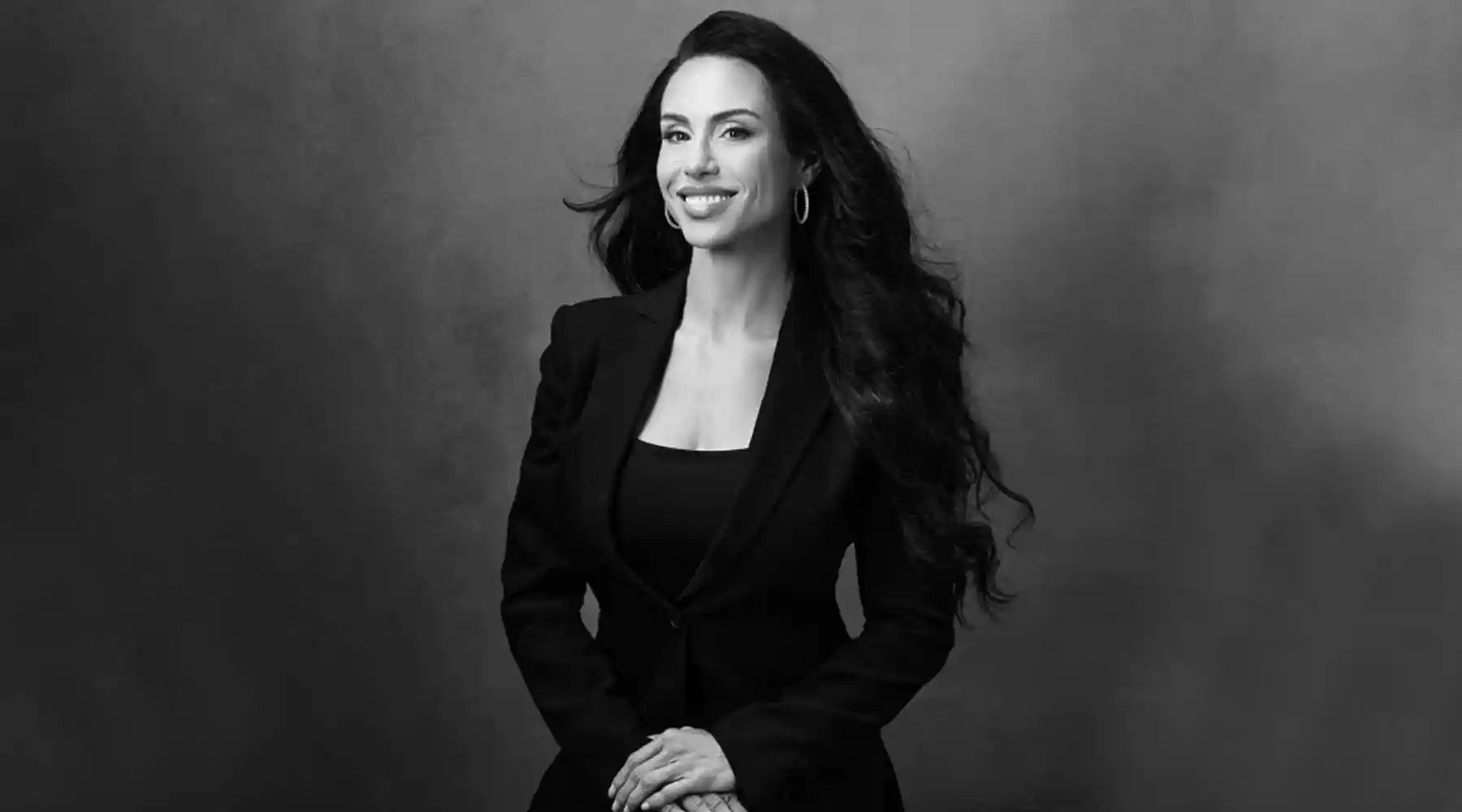
Dr. Raiany Romanni-Klein is a researcher, philosopher, and bioethicist working at the intersection of longevity, ethics, and public policy. She helped design the $101 million XPRIZE Healthspan, the largest science prize ever awarded, and her work has appeared in leading academic journals and outlets like The Washington Post. In this episode of the WHOOP Podcast, she joins Emily Capodilupo, WHOOP Senior Vice President of Research, Algorithms, and Data, to unpack what longevity science can and can't do today, why aging research is drastically underfunded, and what you can actually control right now.
How should we think about aging?
One of the first questions Emily posed cuts to the heart of how we think about longevity: should aging be classified as a disease? Dr. Romanni-Klein explains that by one common medical definition from the Merck Manual of Geriatrics, something qualifies as a disease only if it affects less than 50% of the population. Aging, of course, affects everyone. But she pushes back on this framing: "Because aging is universal, that makes it more, not less, morally and economically pressing."
From a scientific standpoint, there's no strong reason not to treat aging like a disease. But from a public perception standpoint, pathologizing it may not be helpful. As of 2023, fundamental aging research receives roughly $500 million annually in public funding. Alzheimer's research? About $3 billion. Yet aging is the universal risk driver behind Alzheimer's, cardiovascular disease, and most chronic conditions. If we could slow aging itself, we would reduce risk across the board.
Hear Dr. Romanni-Klein's full breakdown of why aging research is underfunded in the episode.
Why don't we have anti-aging drugs yet?
If scientists can extend the lifespan of worms by 400% and reverse biological aging in mice, why hasn't that translated to humans? The answer, according to Dr. Romanni-Klein, is measurement. "We don't actually know how to measure aging very well as of 2023," she explains. Without validated biomarkers — measurable indicators that reliably track biological aging — it's nearly impossible to run clinical trials that prove an intervention works. Think about it: if you want to show that a drug helps people live longer, you'd need to wait decades to see if they actually do.
What actually works for longevity right now?
Here's the part that might surprise you — or reassure you. When Emily asked about the current state of the art in longevity, Dr. Romanni-Klein didn't point to a cutting-edge therapeutic or supplement. She pointed to behavior. "The sad news is that the state of the art when it comes to longevity is exercise and diet," she says. "But that's also happy news, because we can all work on it." The data backs this up. Population-wide behavior change — consistent exercise, quality nutrition, adequate sleep — offers outsized returns compared to most near-term therapeutics. If you combine exercise with diet, there's hardly any intervention that would provide a greater benefit.
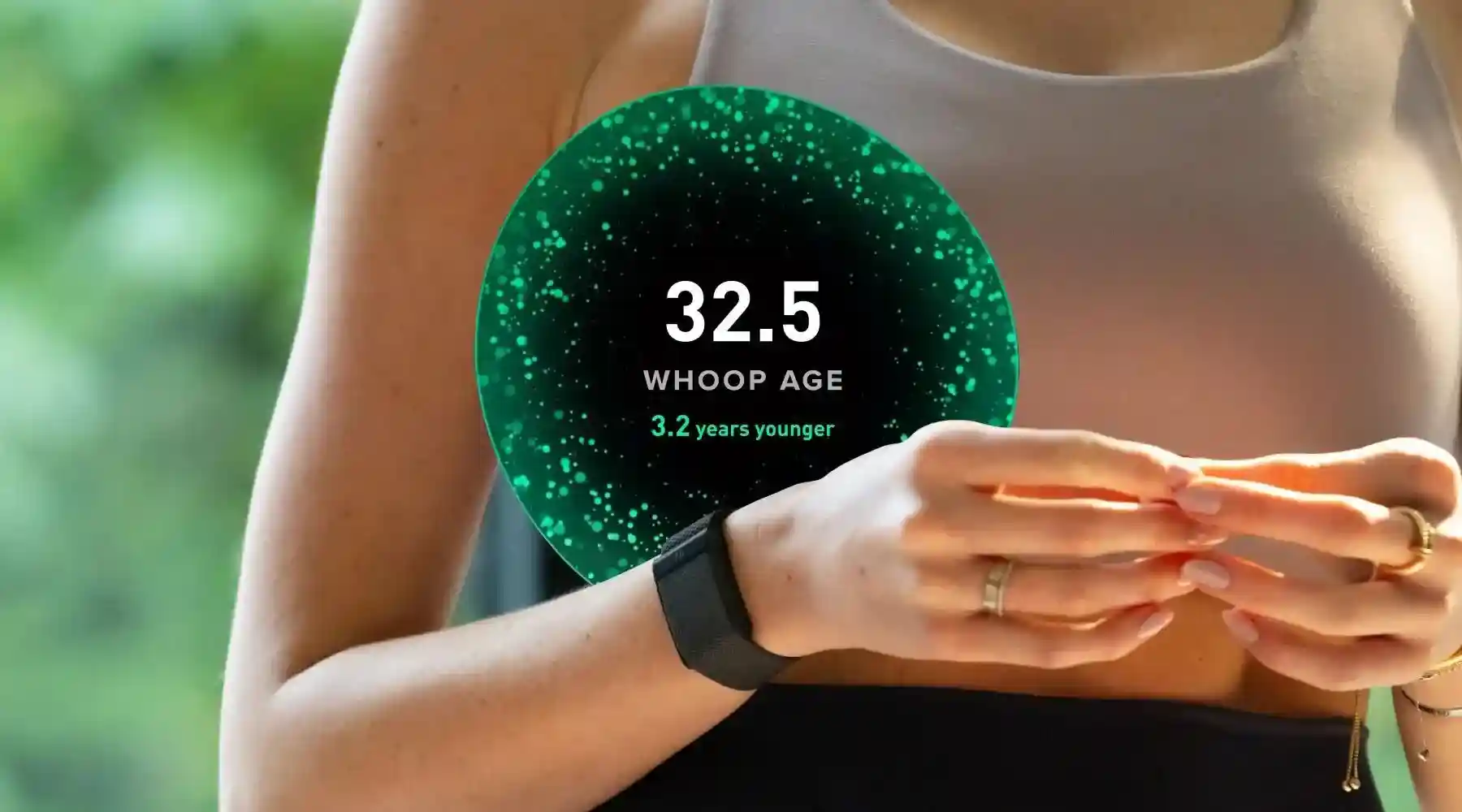
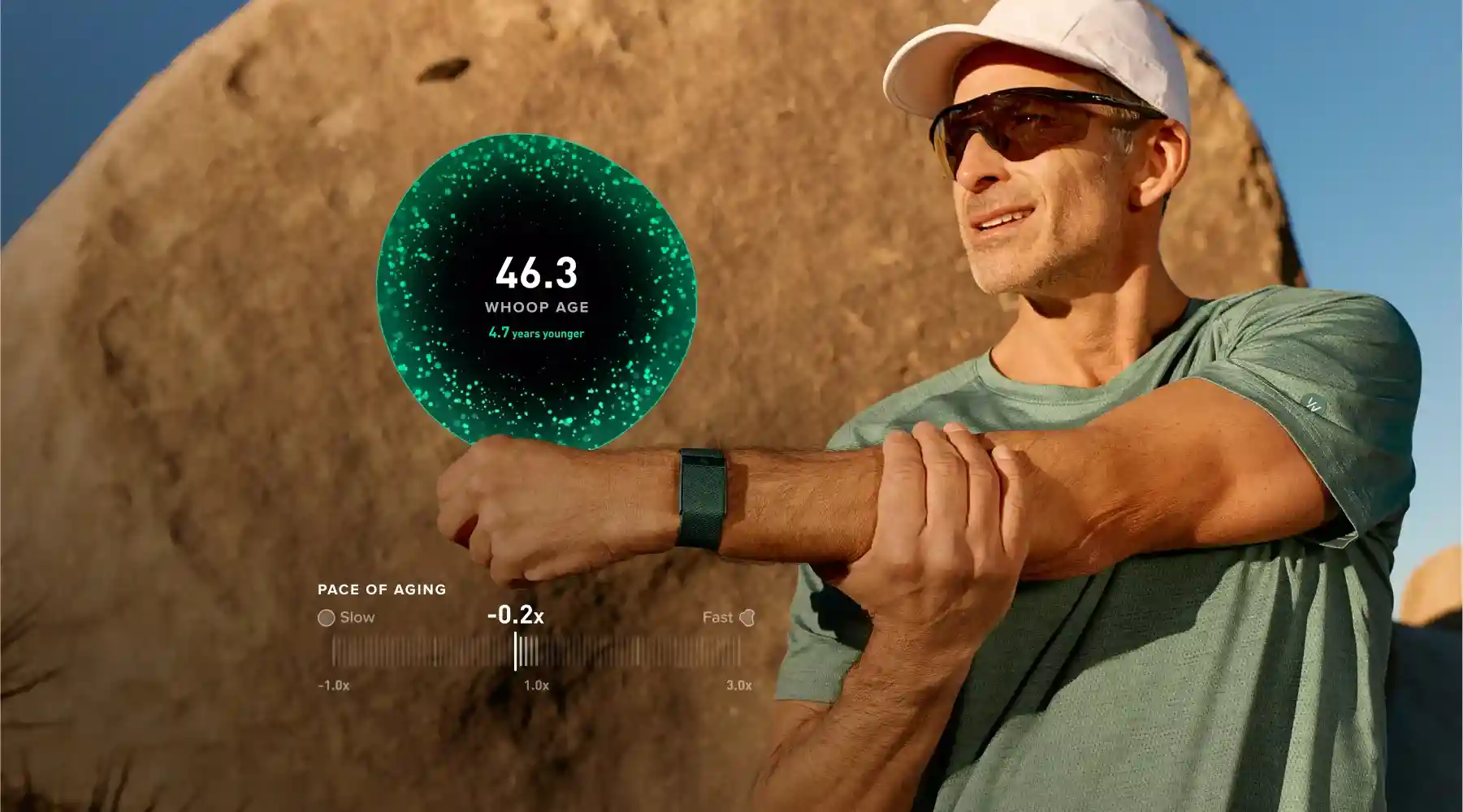
Wearables and continuous data can help you stay consistent, rather than chasing unproven supplements. Healthspan builds on this exact principle. By tracking nine science-backed metrics — including sleep consistency, VO2 Max, resting heart rate, and strength activity — it gives you a dynamic view of how your daily behaviors influence your physiological age. Your WHOOP Age and Pace of Aging update weekly, showing you not just where you stand, but how you're trending. Get the full context on why behavior change remains the most powerful longevity tool in the episode.
Why does longevity research get bottlenecked by policy?
Longevity science is a young field, so there are not a lot of human-relevant results. That history has created skepticism. But from the fact that we don't currently have results in humans, it doesn't follow that we couldn't produce them. The perception that longevity only benefits the top 1% is only true if we don't pressure governments to create solutions that benefit everyone. It's a policy and funding problem, not an inherent limitation of science.
Dr. Romanni-Klein calls for policy change to address aging. “In the long run the biotech that creates a therapeutic that reverses biological aging will be the single most profitable life sciences company of all time,” she argues. “How long that long run is will be influenced by policy and how we perceive the problem to be morally and economically urgent.” Listen to Dr. Romanni-Klein's full take on why longevity research deserves public investment.
The bottom line on longevity
Dr. Romanni-Klein's message is clear: longevity science is real, it's underfunded, and the biggest breakthroughs are bottlenecked by measurement challenges — not by a lack of scientific promise. In the meantime, the most powerful tools for extending your healthspan are already available: consistent exercise, quality nutrition, and the daily habits that compound over time. Healthspan on WHOOP was built on this foundation. By tracking the metrics that research links most strongly to long-term health — sleep, cardiovascular fitness, strength activity, and more — it gives you a weekly view of how your behaviors are shaping your physiological age. It's not about chasing a single number. It's about seeing patterns, understanding how habits influence your results, and making adjustments that add up over years. The future of longevity isn't in a bottle. It's in your choices.
Related Articles
Episode 198: Dr. Hazel Wallace on Nutrition, Longevity, and Women's Health
Topics
- Nutrition
- Women’s Performance
Podcast 224: Protein and Skeletal Muscle: The Keys to Longevity with Dr. Gabrielle Lyon
Topics
- Strength Training
- Training & Exercise