Topics
- Post
- Habit Guidance
- Metrics
- Cycling
- Strain
- Strength Training
- Behavior Impact
- Training & Exercise
How to Train for Endurance like Mathieu van der Poel
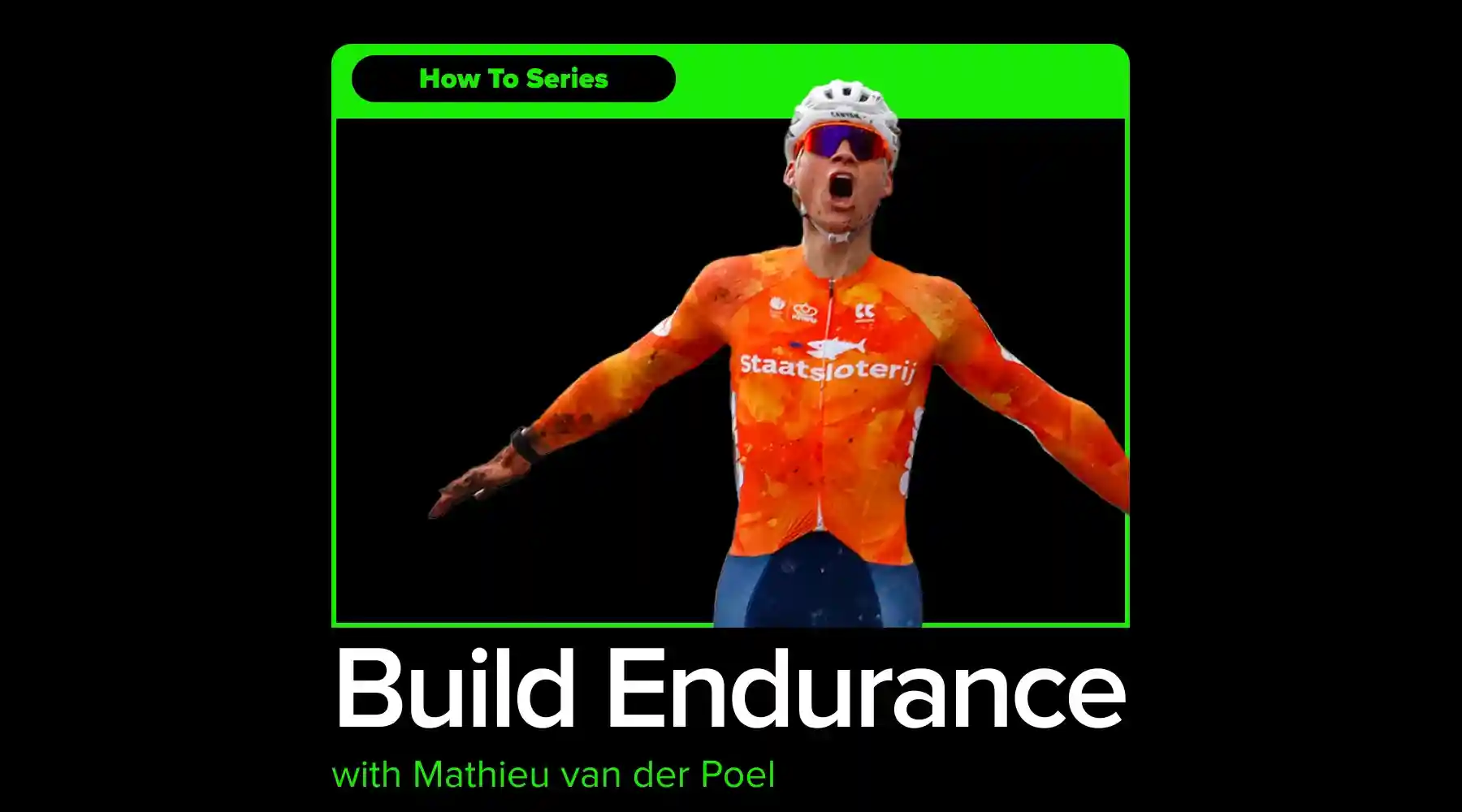
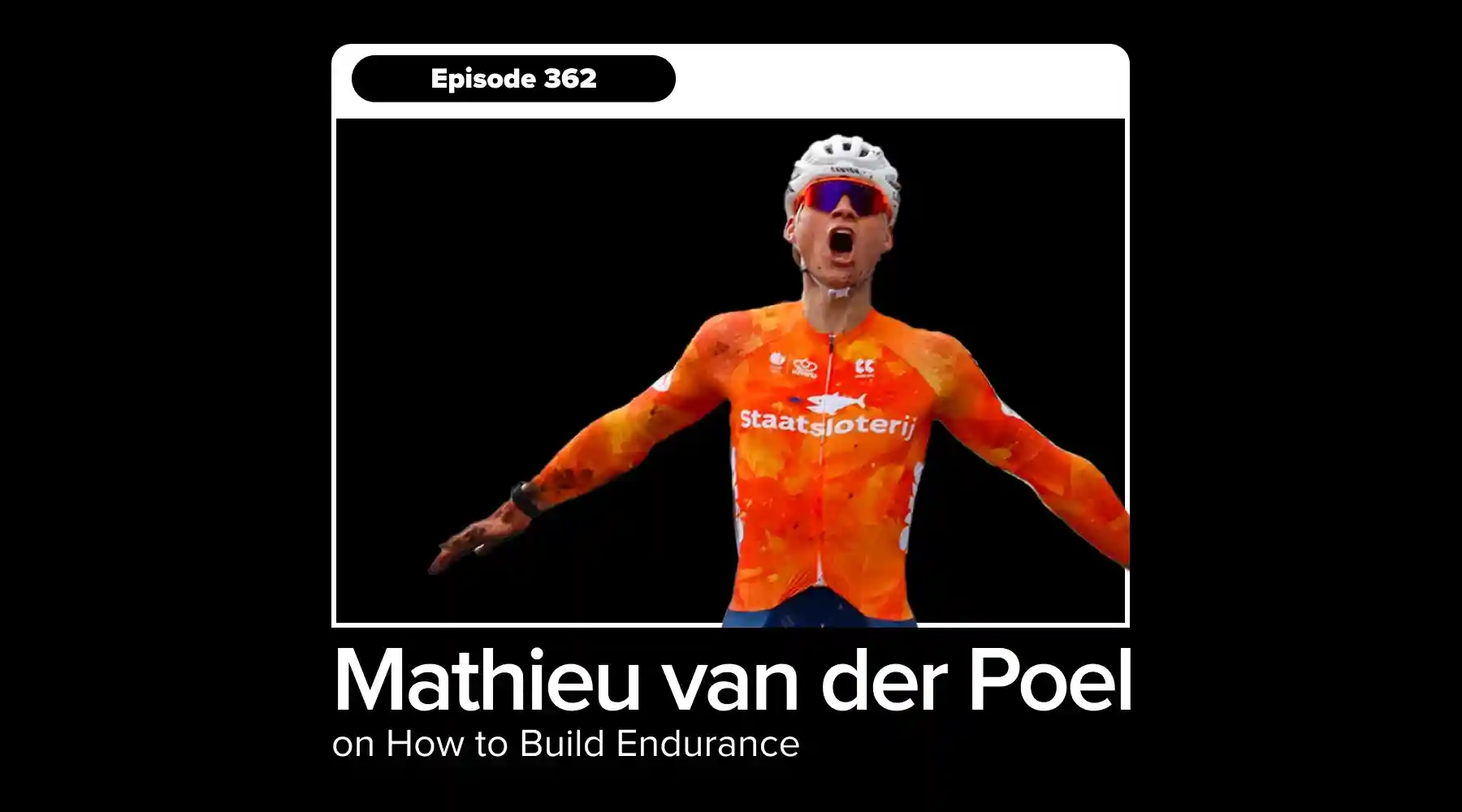
When it comes to endurance cycling, few athletes can match the versatility of Mathieu van der Poel. MVDP has dominated across cyclocross, road racing, and mountain biking. He has won Paris-Roubaix three year in a row and claimed victories at the Tour of Flanders and Milan-San Remo. On episode 362 of the WHOOP Podcast, MVDP shared how he approaches endurance training, interprets recovery metrics, and maintains the habits that keep him performing at the highest level. Whether you're chasing podiums or personal bests, his insight offers a practical framework for understanding endurance.
What makes endurance racing different?
Van der Poel is quick to point out that raw power numbers don't tell the whole story in endurance events. While cycling has become increasingly data-driven with young talent often scouted based on wattage outputs, race-day performance requires something more. "The numbers on training are important, but racing is still something different," he explains. "You can also win races by being smarter, or doing the right things in the right moment." In classic races like Paris-Roubaix or Tour of Flanders, positioning becomes critical. With 180 riders all fighting to be near the front at key moments, tactics and experience can override fitness advantages. If you're too far back when the pace surges at a narrow climb or cobbled sector, even elite power numbers won't save you. This insight matters for recreational endurance athletes too. Building your aerobic engine is essential, but learning to read race dynamics, conserve energy strategically, and execute when it counts separates good from great.
Hear van der Poel break down the tactical side of endurance racing in the full episode.
How do you know when you're overreaching in endurance training?
Pushing your limits is part of endurance development, but van der Poel has learned to recognize when accumulated strain starts suppressing recovery. His knows that consecutive hard days make bouncing back increasingly unlikely.
"If I really train hard for three days in a row, the chance of being in green are really small," he says, referring to his Recovery Score on WHOOP.
The challenge with endurance sports is that strain tends to stay near maximum during long training blocks simply because of time spent at elevated effort. During grand tours like the Tour de France, maintaining strong recovery becomes nearly impossible. Van der Poel notes that after years of tracking his data, he can often predict his Recovery Score before even checking. He's learned to listen to his body's signals.
For athletes building their own endurance base, this offers a useful heuristic. Stacking multiple high-intensity days without adequate recovery will eventually catch up with you. Tracking trends in HRV and resting heart rate helps confirm what your body is already telling you.
Listen to the episode for more on how van der Poel structures his training weeks.
Which recovery metrics should endurance athletes actually watch?
Van der Poel prioritizes two metrics above all others.
"HRV and resting heart rate are maybe the two most important numbers I watch," he says.
His HRV averages over 200 milliseconds, which is exceptionally high even among elite endurance athletes. But he's careful to note that HRV is partly genetic. This means you shouldn't compare your numbers directly to his or anyone else's. What matters is understanding your own baseline and watching for meaningful deviations.
The real value of tracking these metrics lies in confirmation. When you feel tired and your data reflects it, you have objective reason to back off. When you feel good and your numbers agree, you can train with confidence. Van der Poel describes this as using data to "back up the feeling you have."
Get the full breakdown of van der Poel's approach to recovery tracking in the podcast.
What habits actually move the needle on sleep and recovery?
Beyond training load, van der Poel has identified specific behaviors that consistently show up in his recovery data.
"Red meat and alcohol, those are bad. [They] should really show a bad score," he notes. Avoiding both, particularly close to bedtime, has become a clear priority.
The habit that surprised him most was reading before bed. "Reading before going to sleep was something that helped me as well, getting a better recovery and falling asleep much faster."
He also takes magnesium to help relax his muscles, and he's seen the impact reflected in his WHOOP metrics Eating earlier in the evening is another change that's made a noticeable difference in sleep quality.
These aren't revolutionary interventions. They're small, repeatable habits that compound over time. For endurance athletes logging serious training hours, optimizing sleep onset and quality can be the difference between absorbing training stress and accumulating fatigue.
Hear van der Poel discuss his full evening routine in the episode.
Should endurance athletes lift weights?
Van der Poel maintains a consistent strength training routine throughout the year, hitting the gym twice weekly with a focus on lower body and core work. The goal isn't to build bulk, it’s to build durability.
"The consistency is super important for the soreness," he explains. "Otherwise you never get used to it."
His staples include squats, deadlifts, and single-leg exercises, with particular attention to core and lower back stability. This focus on the posterior chain helps protect against the back issues that plague many cyclists who spend hours in an aerodynamic position.
The key insight here is that sporadic gym sessions can lead to persistent soreness that interferes with on-bike training.
Get van der Poel's full take on strength training for cyclists in the podcast.
The bottom line
Van der Poel's approach to endurance offers lessons that scale from elite racing to weekend warriors:
- Fitness is the entry ticket, not the whole game. Tactics, positioning, and race intelligence matter as much as power output.
- Track your trends, not someone else's numbers. HRV and resting heart rate are most useful when you understand your own baseline.
- Consecutive hard days have a cost. Stacking high-intensity sessions will suppress recovery.
- Small habits compound. Reading before bed, eating earlier, and avoiding alcohol consistently show up in better recovery scores.
- Strength training requires consistency. Sporadic gym work creates soreness; regular sessions build durability.
Whether you're training for your first century ride or your tenth grand tour, the fundamentals remain the same: train smart, recover intentionally, and let your data guide the process. WHOOP gives you the insights to make those decisions with confidence, so you can push your limits without guessing where they are.
Listen to MVDP on the WHOOP Podcast to hear the full discussion.
Related Articles
Podcast 362: How To Build Endurance with 8-Time Cyclocross World Champion Mathieu van der Poel
Topics
- Cycling
- Recovery
- Strength Training
- Mental Health
- Nutrition
How Hard is Cycling's Giro d’Italia? Heart Rate, Strain & More
Topics
- Cycling
- International