Topics
- Article
- Longevity
- Healthspan
- Strain
- Biomarkers
- Recovery
These Biomarkers Could Hold the Key to Your Best Workouts
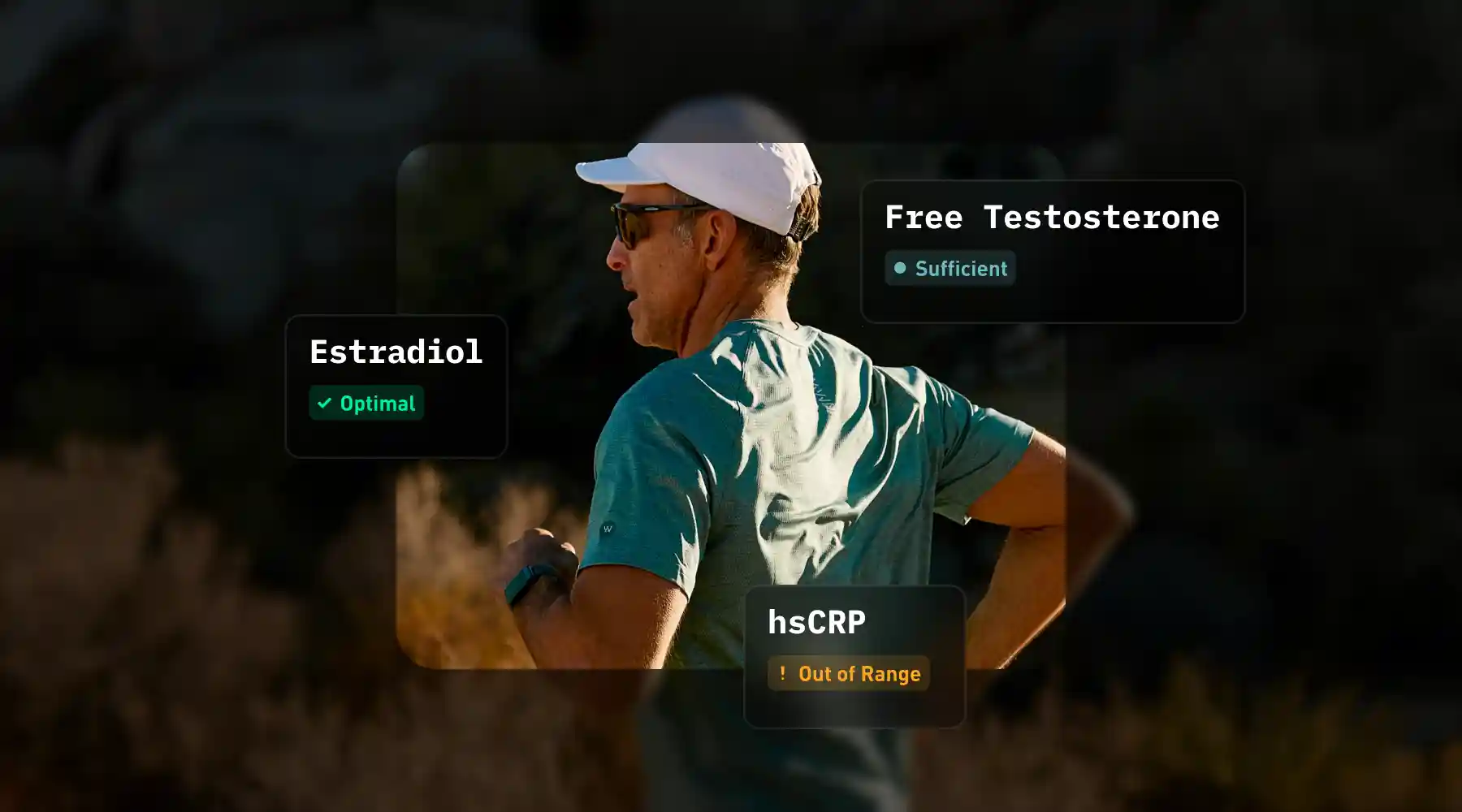
Two people can log the same steps, hit the same heart rate zones, and complete the same workouts. One gets fitter, stronger, and more resilient. The other feels run down, inflamed, or stuck.
The difference often isn’t effort. It’s biomarkers.
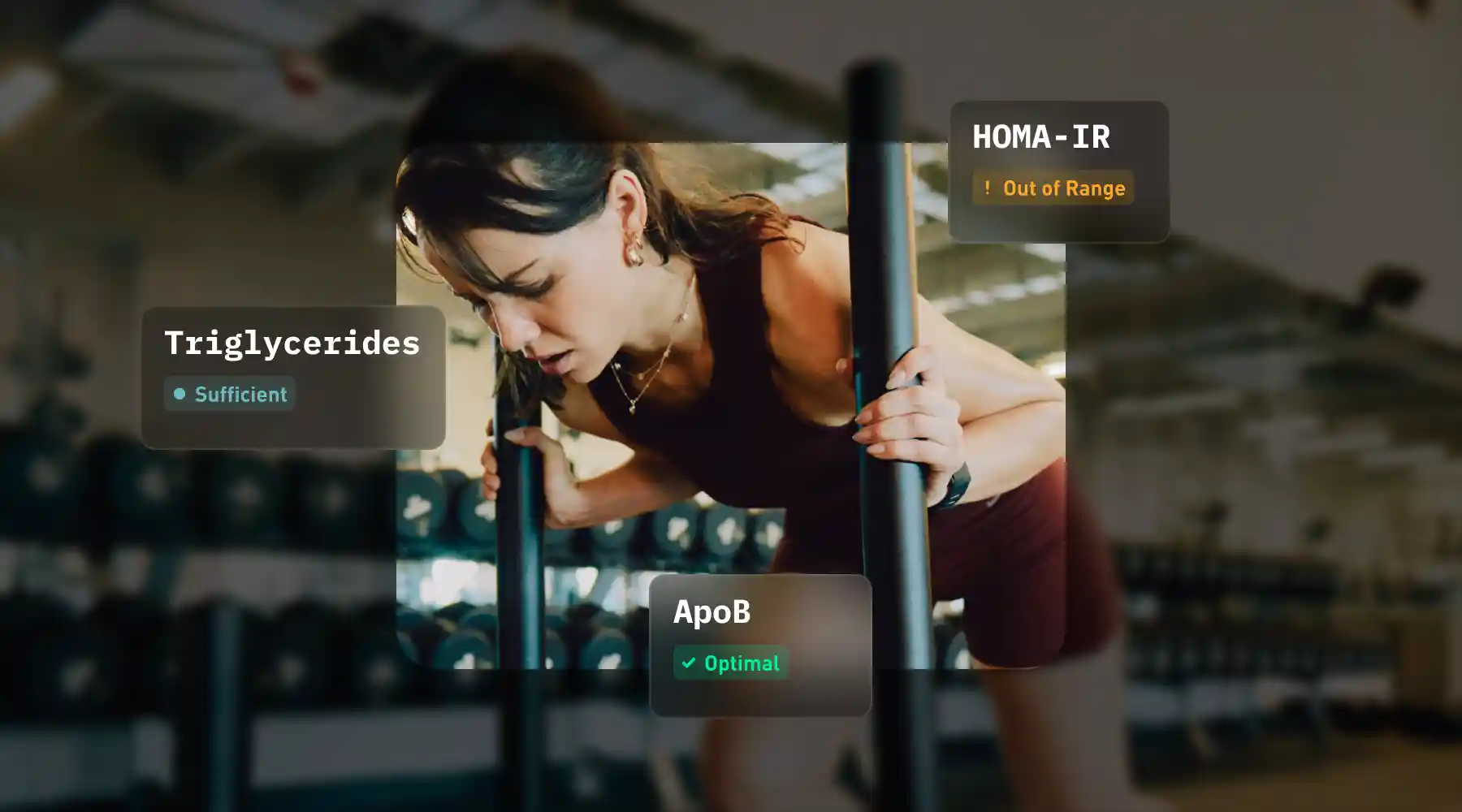
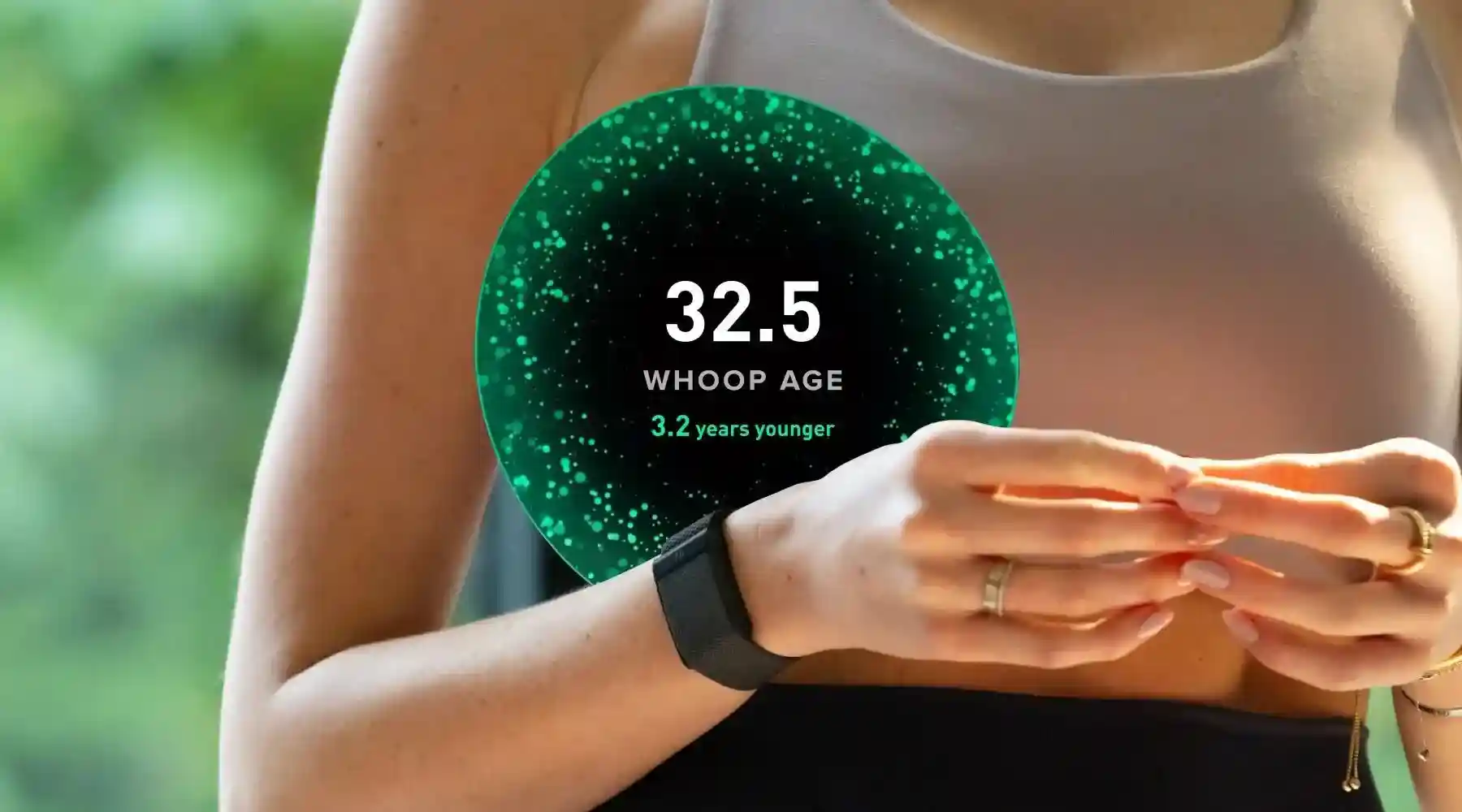
By combining Healthspan with WHOOP Advanced Labs, you can see how your daily strain interacts with the biomarkers that impact recovery and adaptation.
6 biomarkers that may be impacting your strain and recovery
Six key biomarkers may impact your strain and recovery: free testosterone, estradiol, hsCRP, ferritin, potassium, and BUN/creatinine ratio. These markers can reflect your body's ability to handle physical stress, rebuild tissue, and maintain long-term resilience.
1. Free testosterone
Free testosterone supports muscle maintenance, energy utilization, and recovery from training stress.
Signs of imbalanced free testosterone:
- Strength sessions feel harder than expected
- Difficulty maintaining lean mass despite regular training
- Recovery Scores lag after higher-strain days
Why it matters: Optimized free testosterone supports muscular strength, metabolic efficiency, and physical independence — all foundational to improving your Healthspan.
2. Estradiol
Estradiol plays a key role in energy regulation, muscle repair, and joint integrity across sexes. Balanced levels help protect against overuse injury and support cardiovascular and metabolic health as you age. Signs of sub-optimal levels of estradiol:
- Lingering soreness after moderate workouts
- Joint discomfort that limits training consistency
- Difficulty sustaining higher training volumes
Why it matters: Balanced estradiol supports tissue repair, movement efficiency, and long-term training sustainability.
3. hsCRP (High-sensitivity C-reactive protein)
hsCRP reflects inflammation. Elevated levels may reflect higher inflammatory load, especially when levels are persistently elevated.
Signs of high hsCRP:
- Recovery Scores stay low despite adequate sleep
- Frequent soreness or plateaus in performance
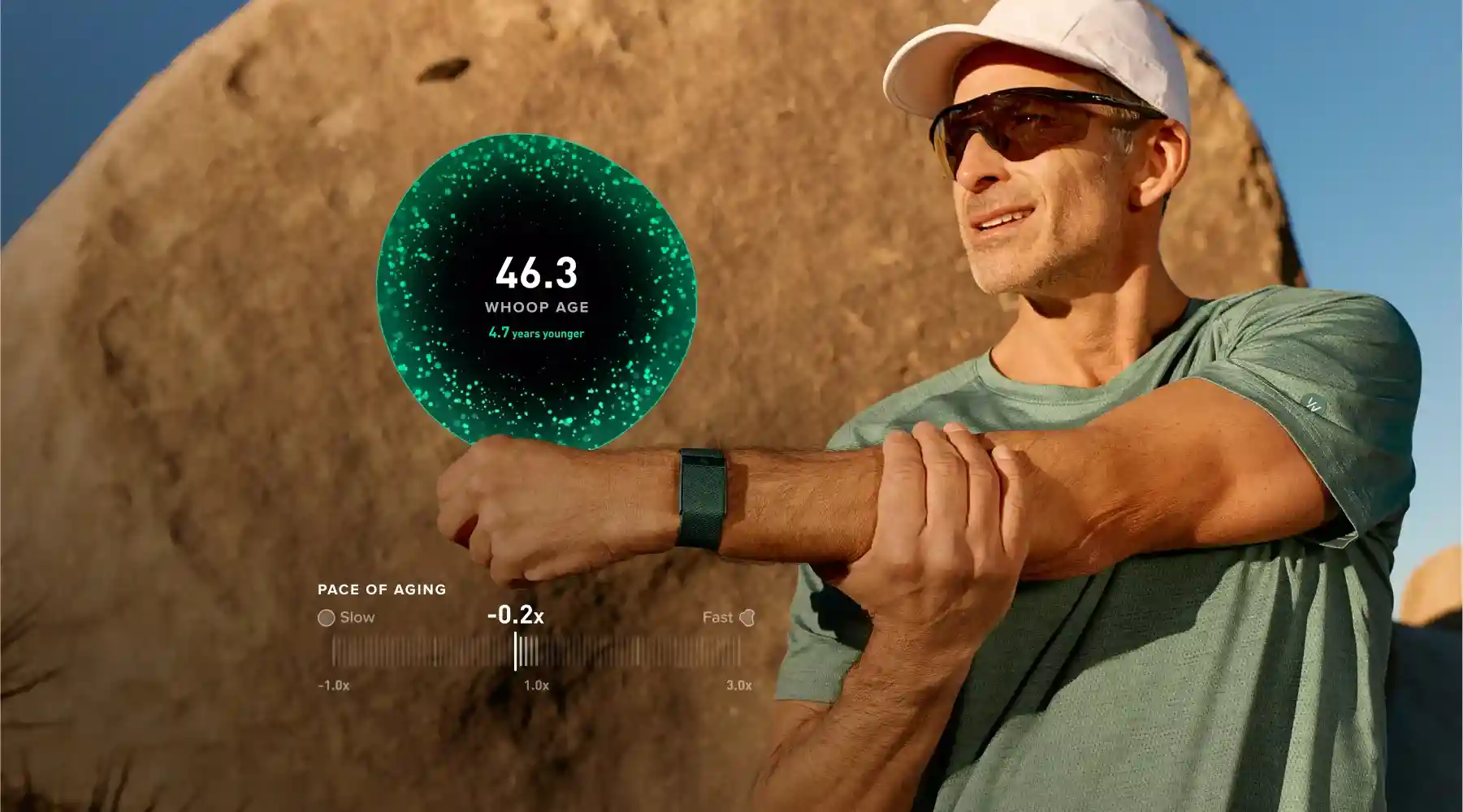
- Pace of Aging is consistently increasing
Why it matters: Lower inflammation supports better recovery, healthier blood vessels, and slower cardiovascular aging.
4. Ferritin
Ferritin is a key marker of iron stores, which fuel oxygen transport and energy production. Adequate levels help you sustain effort, recover efficiently, and maintain endurance.
Signs of imbalanced ferritin:
- Cardio sessions feel disproportionately taxing
- Early fatigue in higher heart rate zones
- Declines in VO₂ Max trends over time
Why it matters: Healthy ferritin supports aerobic capacity, physical stamina, and consistent movement — key drivers of long-term health.
5. Potassium
Potassium stabilizes nerve signaling and muscle contraction, including heart rhythm. Low levels can impair performance and slow recovery.
Signs of imbalanced potassium:
- Muscle cramps or weakness during workouts
- Recovery dips even after moderate strain
- Difficulty maintaining consistent training frequency
Why it matters: Adequate potassium supports efficient muscle function, steady performance, and recovery — enabling you to train without accumulating unnecessary stress
6. BUN/Creatinine
The BUN/Creatinine ratio reflects hydration status and kidney efficiency. When this balance is off, your body may struggle to clear metabolic waste from training.
Signs of imbalanced BUN/Creatinine:
- High-strain days followed by poor recovery Elevated heart rate during low-intensity movement
- Feeling “flat” despite regular activity
Why it matters: Balanced hydration and metabolic clearance support performance, recovery, and cardiovascular health — all critical for sustaining movement as you age.
Putting insights into practice
Movement is one of the most powerful levers you have for improving your long-term health, but only if your body can properly adapt to it.
With WHOOP, you can see how your daily strain connects to your long-term health through Healthspan. WHOOP Advanced Labs adds the biological context, revealing whether hormones, inflammation, hydration, or oxygen delivery are supporting or limiting your progress.
When you align your training with your biomarkers, movement becomes more than exercise. It becomes a strategy for living better for longer. Ready to see how your biomarkers connect to your daily habits? Join WHOOP.
Frequently asked questions about strain biomarkers
Can moving more actually help you live longer?
Yes — when your body can properly adapt to the stress of movement. Regular activity supports longevity, but the benefits depend on recovery, inflammation, hormone balance, and metabolic health. Biomarkers help determine whether movement is building resilience or adding strain.
Why do people respond differently to the same workouts?
Because internal biology varies. Hormones, inflammation levels, iron stores, hydration, and kidney function all influence how the body responds to exercise. Two people can train the same way and experience very different recovery and health outcomes.
Which biomarkers matter most for exercise recovery and longevity?
Six biomarkers play a key role: free testosterone, estradiol, hsCRP, ferritin, potassium, and the BUN/Creatinine ratio. Together, they reflect your body’s ability to recover, adapt to strain, and sustain movement over time.
How do biomarkers help you train for better healthspan?
Biomarkers provide biological context for your daily strain and recovery. When you understand how your body responds internally, you can adjust training intensity, volume, and recovery to support long-term resilience, performance, and longevity.
Disclaimers Healthspan: This feature is not available for users under the age of 18. This feature is for wellness purposes only and not for medical use. WHOOP Advanced Labs: WHOOP Advanced Labs is only available in the United States and requires an active WHOOP membership or trial. You must be 18 years or older and not pregnant to participate. Advanced Labs testing is not available in Arizona, Hawaii, Wyoming, North Dakota, or South Dakota; however, tests may be completed out of state. If you are within 20 weeks postpartum, weigh under 100 lbs (45 kg), have severe anemia (Hb < 8 g/dL), or have recently undergone surgery, we recommend waiting until you have been cleared by your clinician before testing.